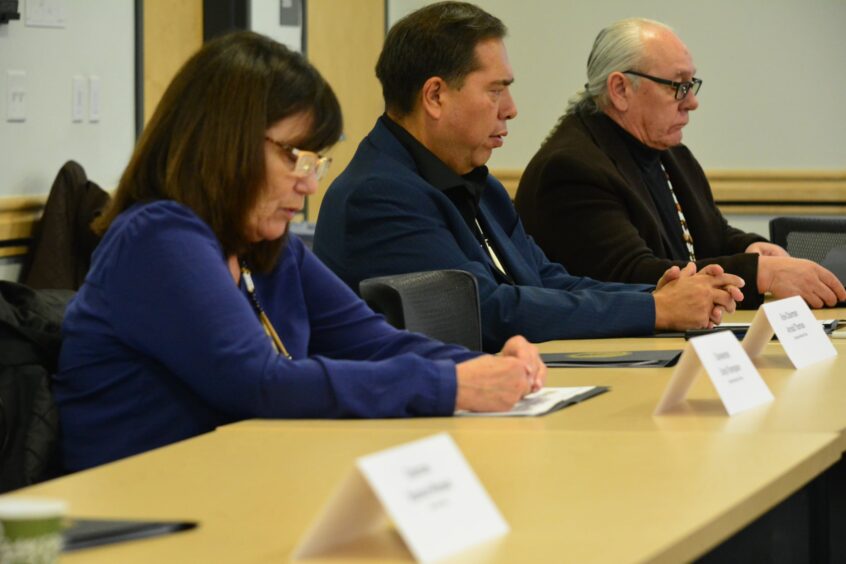
Shoshone-Bannock Tribes Fort Hall Business Council Chairwoman Donna Thompson opens the Idaho Five Tribes Summit on February 18.
Five Tribes of Idaho Summit unites tribal leaders to address shared priorities
By ROSELYNN YAZZIE
Office of Public Affairs
BOISE – Leaders from Idaho’s five federally recognized tribes met February 18 for the Idaho Five Tribes Summit, a government-to-government meeting focused on strengthening tribal sovereignty, improving community wellbeing, and coordinating solutions to shared challenges.
Participating tribes included the Shoshone-Bannock Tribes, Coeur d’Alene Tribe, Nez Perce Tribe, Shoshone-Paiute Tribes, and Kootenai Tribe of Idaho.
As the host, Chairwoman Donna Thompson of the Shoshone-Bannock Tribes Fort Hall Business Council opened the summit by welcoming leaders and emphasizing the importance of unity among tribal nations. She thanked representatives for traveling from their homelands and noted that the gathering reflects both the strength of tribal governments and the responsibility leaders carry for their people.
“This summit gives us the chance to come together as sovereign nations and focus on what matters most, protecting our sovereignty, honoring our treaties, and improving the lives of our people,” Thompson said. “By working together and speaking with one voice, we strengthen not only our individual tribes but the future of all Native communities in Idaho.”
During the meeting, tribal leaders shared updates about major projects and challenges in their communities. Shoshone-Paiute Chairman Brian Mason described ongoing construction of their new school to replace an outdated building. After years of advocacy at the state, federal, and international levels, the tribe secured a one-time appropriation to begin construction and continues to raise funds for the multi-million-dollar project. Construction continues, though funding is still needed for features such as athletic facilities.
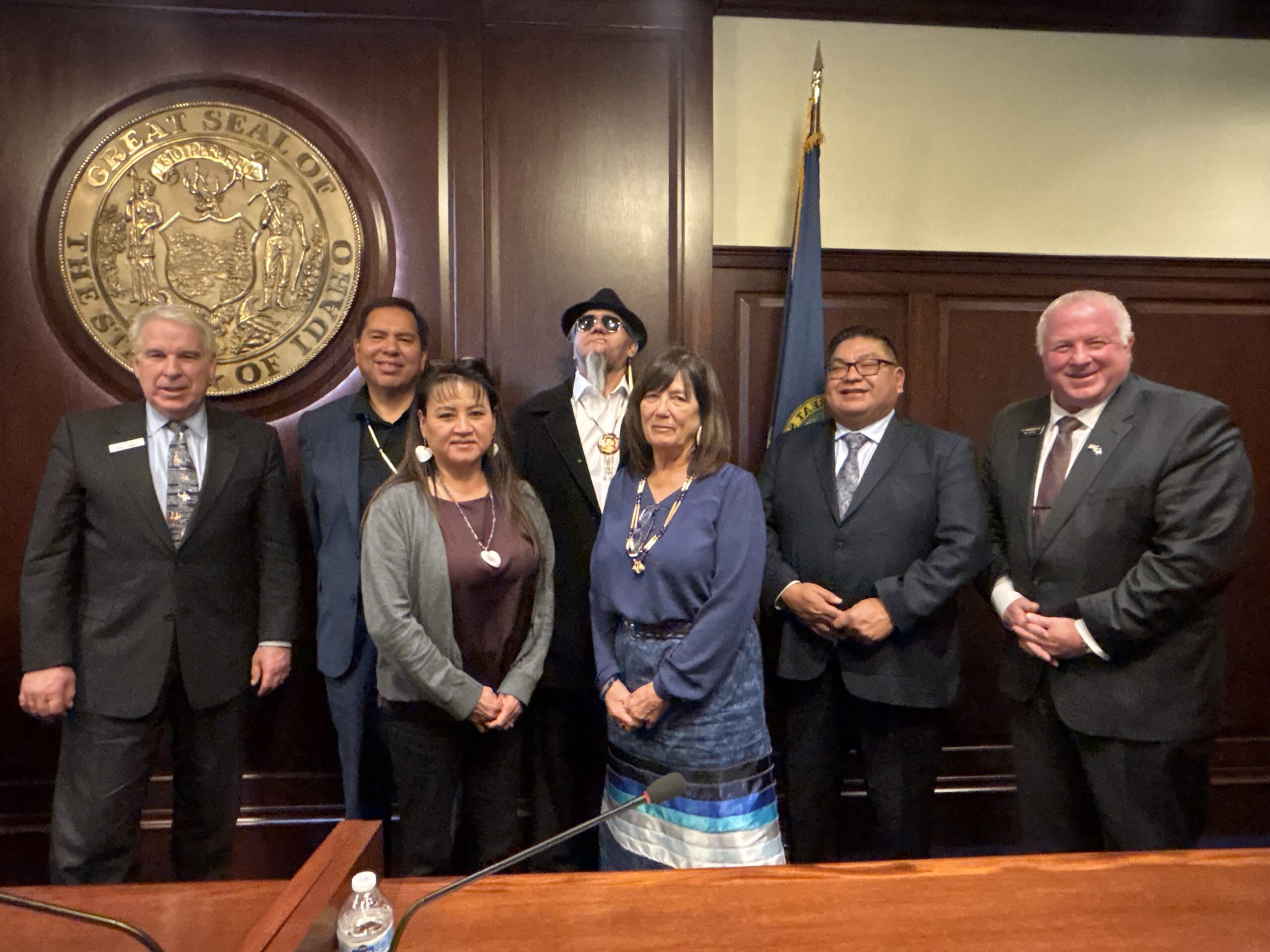
Coeur d’Alene councilmember, Cajetan Matheson, discussed the impact of changing federal policies on tribal governments and programs, including environmental regulations. He said they are monitoring developments closely while working to maintain stable services for their people. Matheson also raised concerns on environmental conditions, particularly the possibility of a hot, dry summer due to low snowpack levels. He also talked about the importance of supporting youth, culture, and community wellbeing.
Kootenai Tribe Chairwoman Jennifer Porter echoed worries about rapidly changing federal policies, noting they are monitoring developments daily. The tribe is coordinating with partner organizations regarding border and immigration issues and ensuring members, especially those with cross-border ties to Canada, remain informed.
Further discussion on immigration enforcement took place with tribes reporting that no Immigration and Customs Enforcement (ICE) enforcement activities have taken place on their reservations. However, they expressed concerns about impacts in nearby cities and towns. Leaders emphasized that federal agencies must respect tribal sovereignty, jurisdiction, and due process before entering reservation lands, while the Shoshone-Bannock Tribes noted they are requesting government-to-government consultation with the Department of Homeland Security and encouraged all Idaho Tribes to do the same.
Discussion also stressed the importance of tribal members carrying valid identification and understanding their rights. They also noted that fear and misinformation have caused anxiety in some communities.
William “Billy” Barquin, Attorney General of the Kootenai Tribe, provided insights that federal agencies are working to improve recognition of tribal identification cards and provide training to officers. These efforts aim to reduce wrongful detentions, especially for Native people.
Despite several common challenges, leadership emphasized the strength of tribal communities and the importance of working together to protect sovereignty and support future generations.
A major portion of the meeting focused on a new Federal Rural Health Transformation Program passed by Congress to offset impacts to rural hospitals due to Medicaid cuts in the “One Big Beautiful Bill.” Idaho is expected to receive approximately $185 million annually for the next five years with a 3.5 percent Tribal set-aside. The funding comes with strict rules and oversight. All projects must be approved by the Centers for Medicare & Medicaid Services and must be sustainable after the five-year funding period ends.
The funding can support improvements such as telehealth services, workforce recruitment, disease prevention programs, and technology upgrades. Tribal leaders discussed how to divide funds fairly among tribes with considerations to different populations, geographic conditions, and levels of access to medical care. Some communities face long travel times for emergency treatment, dialysis, or specialized services, which can have serious consequences for patients.
Tribal leaders reached an agreement which will provide approximately $2 million of the Tribal set-aside per year to the Shoshone-Bannock Tribes.
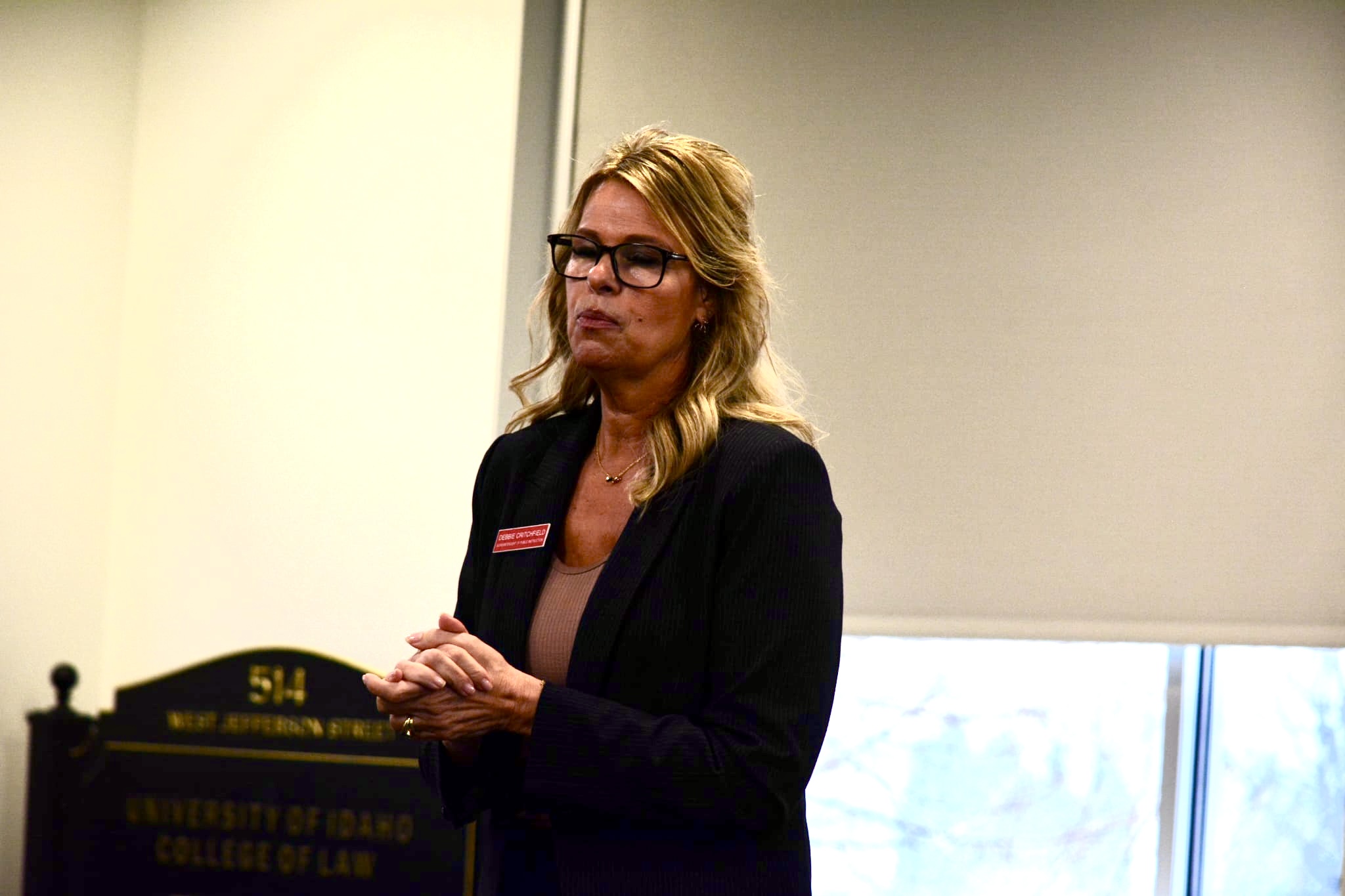
Education was also a key topic. Idaho Superintendent Debbie Critchfield spoke about efforts by the Idaho Department of Education to work more closely with tribes. Plans include expanding culturally relevant curriculum, improving how Native history is taught in schools, and addressing student mental and behavioral health needs. Tribal leaders emphasized that tribes should guide how their histories and cultures are represented in classrooms. The department hired a staff member to strengthen communication with tribes and is reviewing the role of the state’s Indian Education Committee.
Jessica James, Tribal Education Manager, gave a brief overview of tribal education priorities and presented a letter of support for consensus urging congress to transfer the oversight of Haskell Indian Nations University from the U.S. Department of Interior to a board of regents. Earlier in the day, University of Idaho College of Law Indigenous students welcomed tribal leaders and gave updates on recent school programs and accomplishments.
Leaders also heard an update from the Indian Gaming Association Chairman David Bean about the growth of unregulated online sports prediction markets. The association warned that these platforms operate outside the rules that govern tribal gaming and could threaten an important source of revenue for tribal governments. Gaming funds support essential services such as healthcare, education, housing, and infrastructure, making the issue a serious concern for many tribes. Bean encouraged tribal leaders to contact state and federal lawmakers to express opposition to unregulated online gambling.
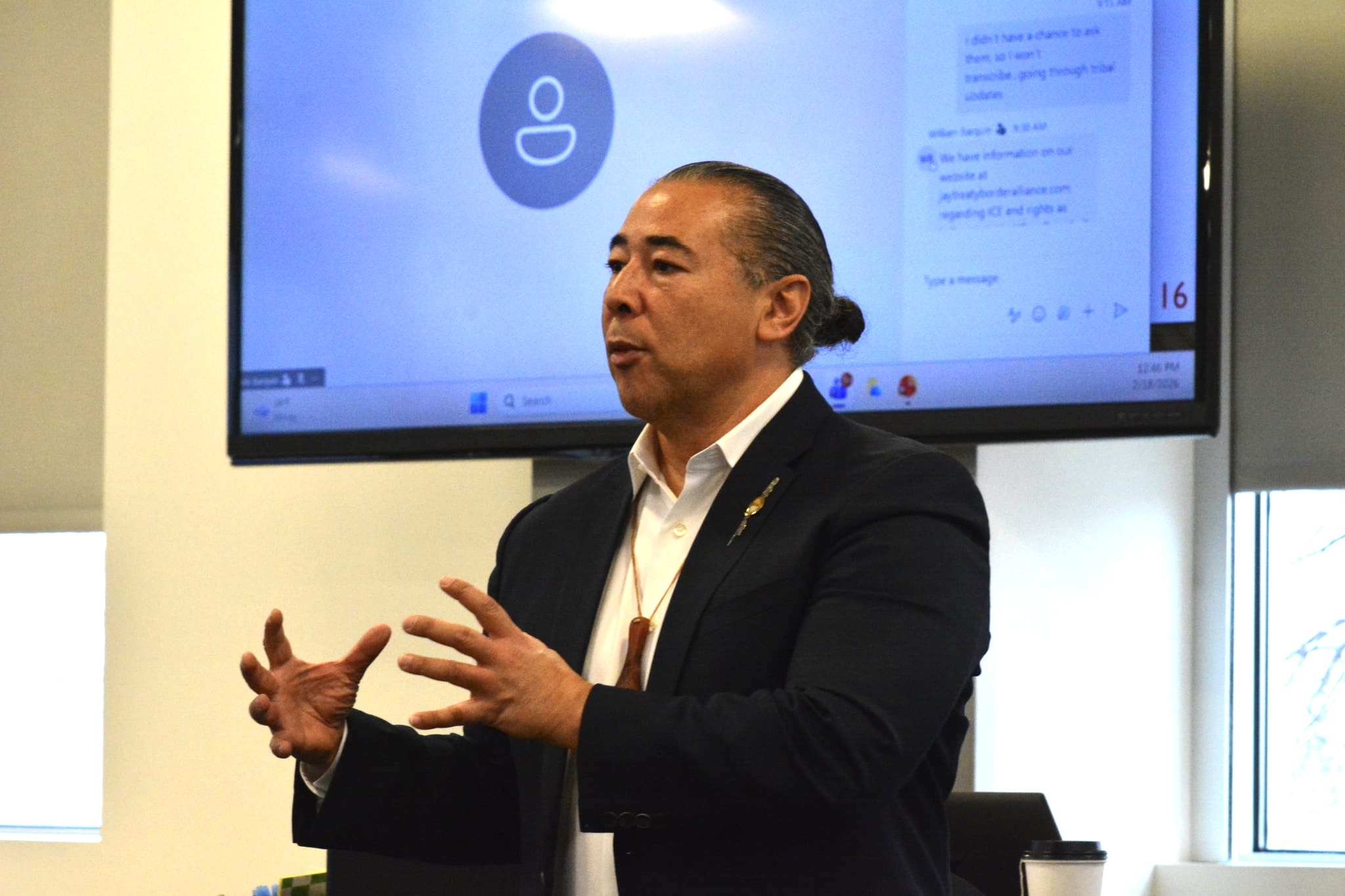
Another important topic highlighted by Vice Chairman Arnold Thomas of the Shoshone-Paiute Tribes was a resolution approved by the November National Congress of American Indians. The resolution supports permanently protecting the Owyhee Canyonlands for sustenance, traditional and spiritual practices.
The summit concluded with a shared commitment to continued collaboration among Idaho’s tribes. Leaders agreed that regular communication and coordinated action are critical to addressing complex issues and improving quality of life for tribal citizens.
The meeting also coincided with the semiannual session of the Idaho Council on Indian Affairs (ICIA), which provides a forum for coordination between Tribal governments and the State of Idaho. Accomplished at the meeting was ICIA voting to draft a letter for state lawmakers to protect Medicaid, noting that the federal government fully reimburses tribal healthcare costs for enrolled Tribal members. Discussion also included keeping federal lands federal as any exchange, transfer or sale of federal lands would impede Treaty rights to hunt, gather, and fish.
(Roselynn Yazzie, Office of Public Affairs photos)