By ROSELYNN YAZZIE & MICHAEL STEELE
Office of Public Affairs
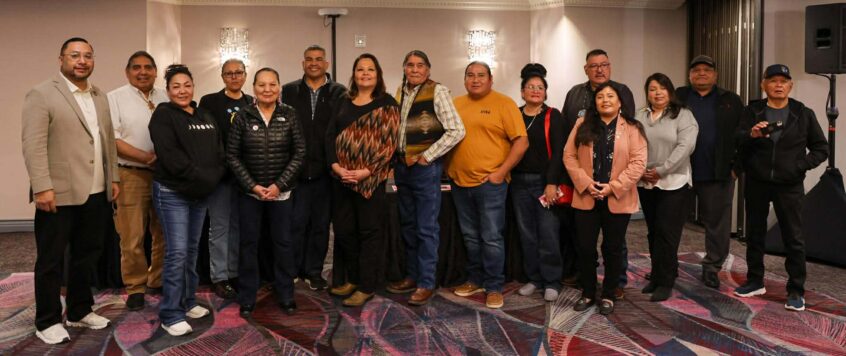
LAS VEGAS, NV – From December 8–10, tribal leaders convened in Las Vegas for the Annual Coalition of Large Tribes (COLT) meeting, a three-day forum focused on advancing Tribal sovereignty, health, economic development, and cultural preservation. COLT represents large, land-based tribes who share similar issues and opportunities.
COLT Chairman Garret Renville opened the meeting with reflections on the year’s accomplishments, followed by an invocation from Shoshone-Bannock Tribal Councilman, and founding COLT member, Nathan Small. Opening business also included welcoming new members including the Mescalero Apache Tribe and Hopi Tribe as voting members, and the Coquille Indian Tribe as an associate member.
Several government officials were in attendance to give reports and hear from tribal leaders.
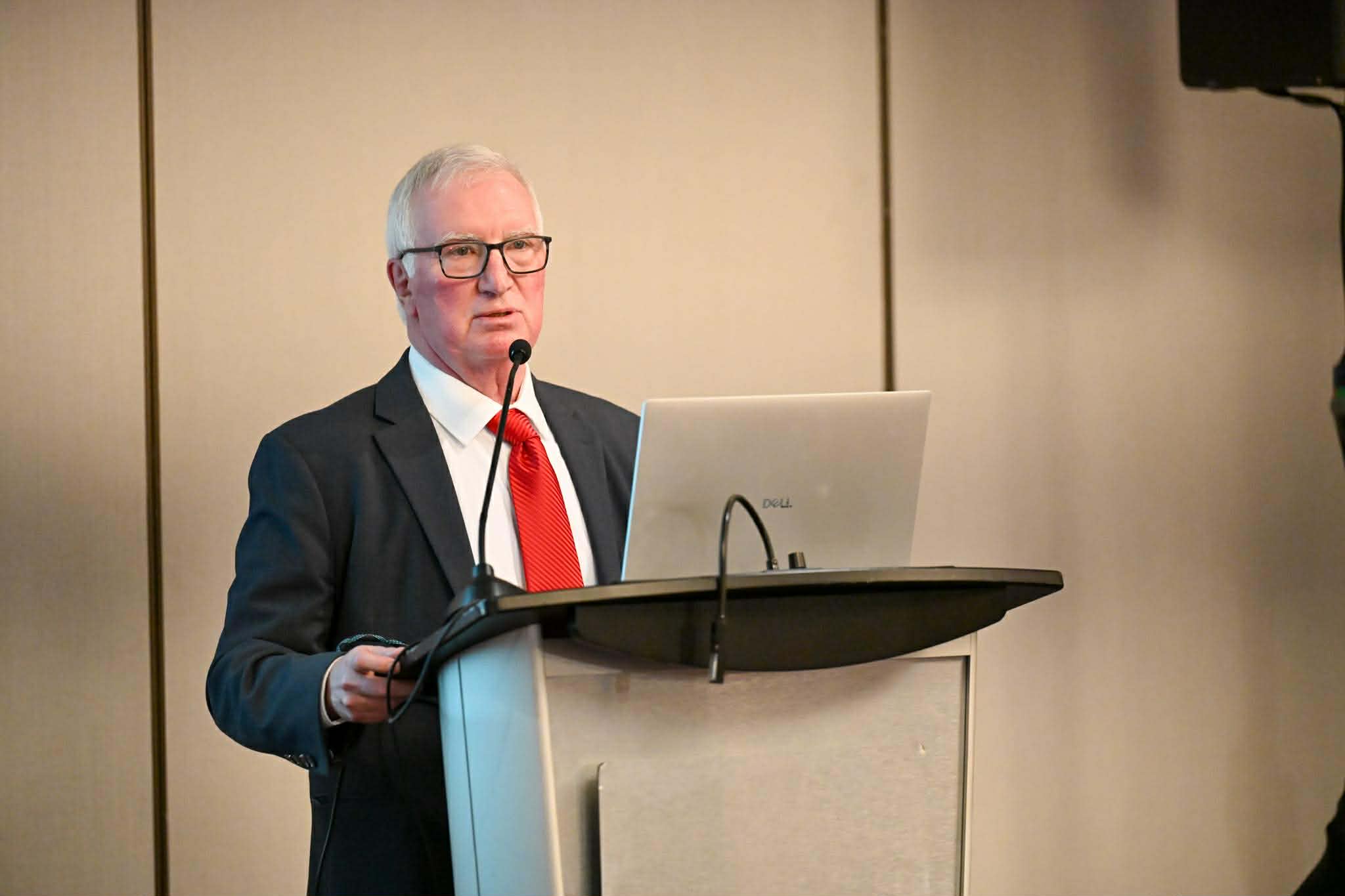
Deputy Assistant Secretary for Indian Affairs Kennis Bellmard highlighted the need for meaningful cultural change within the Bureau of Indian Affairs (BIA) and reaffirmed the administration’s commitment to supporting Tribal sovereignty. Bellmard acknowledged that the government shutdown had negative impacts on BIA functions such as realty, and his remarks addressed reforms to the Native Language Loan Guarantee Program, opportunities in energy development, and the importance of developing programs that increase Tribal employment, including tourism.
Bellmard also discussed the staggering backlog of more than 50,000 open probate cases across Indian Country, and ongoing challenges with the Trust Asset and Accounting Management System (TAAMS). He called on tribes to submit white papers and ideas to improve processes, reduce bureaucracy, and allow funding to flow more directly to Tribal governments.
Councilman Small raised concerns about the slow pace of probate and Land-into-Trust applications, emphasizing the urgent need for action and prioritization. While BIA cited state consultation requirements as a factor, Small stressed that delays have real consequences for families.
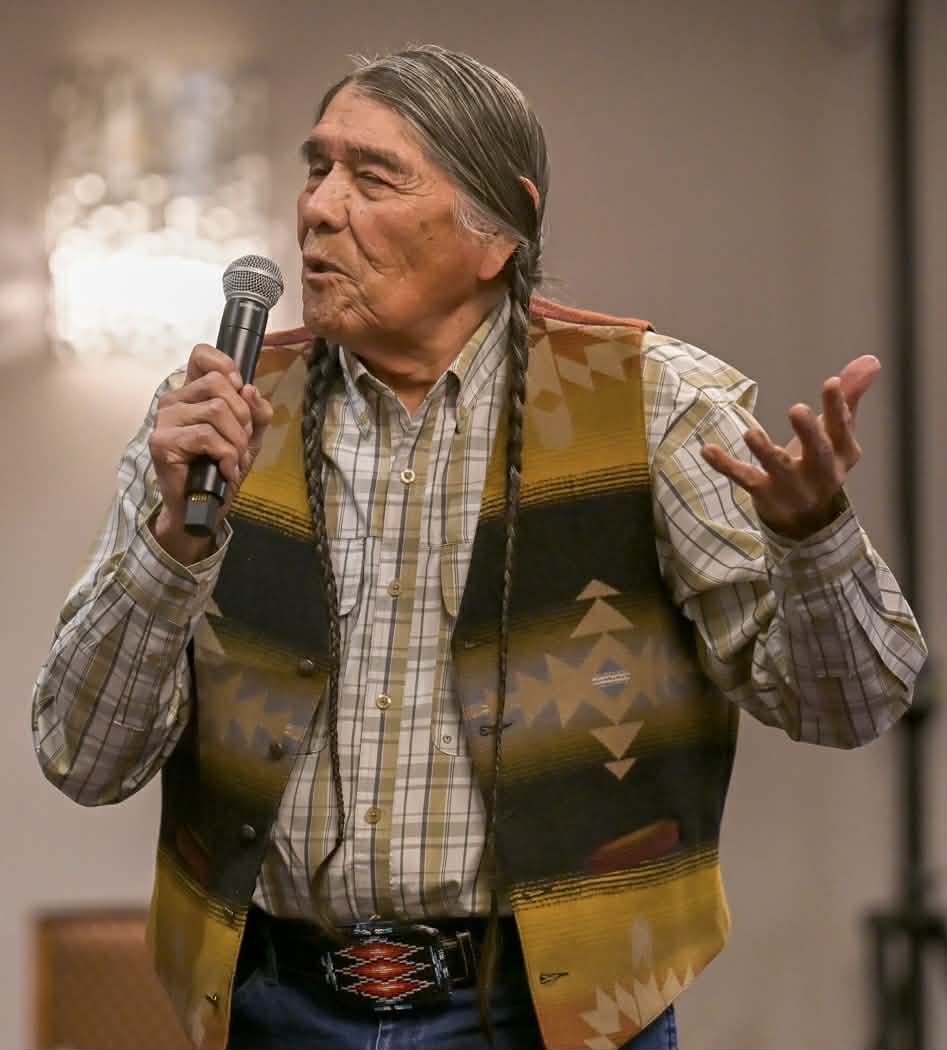
“We have heirs waiting, and then they pass on, causing more issues,” he said, adding that BIA must take responsibility for coordinating with states and local governments as part of its trust responsibility. Leaders from the Confederated Tribes of Warm Springs echoed these concerns, and COLT plans to submit formal statements to the BIA with recommended improvements.
During discussions on continuity of operations and potential government shutdowns, Assistant Secretary for Indian Affairs Billy Kirkland was asked about funding drawdown options for tribes. Recommendations included yearly, vs. monthly drawdowns to ensure tribes did not have to borrow from their general funds during federal funding lapses. Kirkland emphasized that ongoing dialogue with tribal leaders is a critical first step toward identifying solutions.
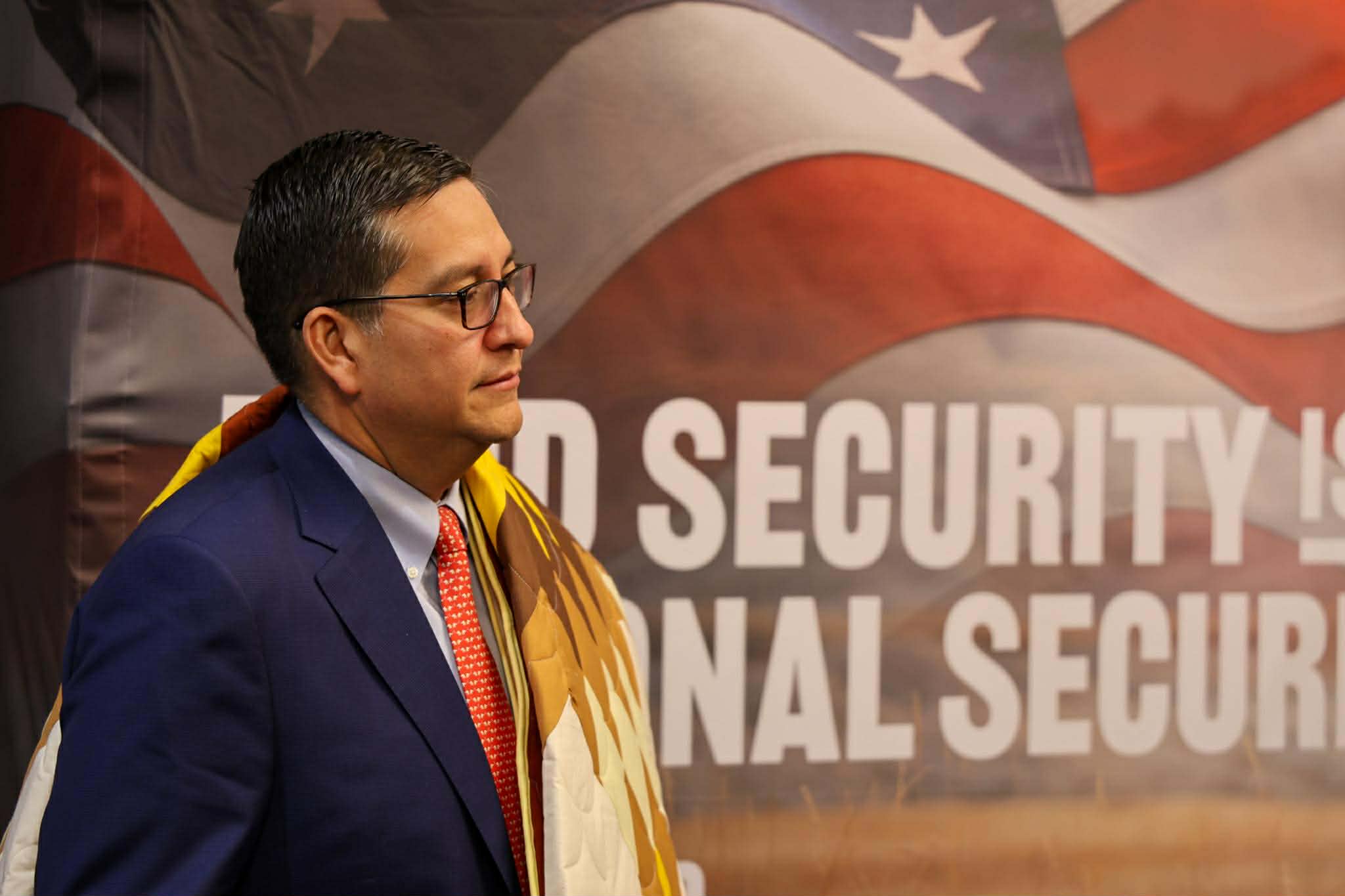
He acknowledged persistent backlogs and law enforcement gaps, stressing the need to improve efficiency in hiring and contracting. While noting that artificial intelligence and technology can help streamline operations, he emphasized that they are not stand-alone solutions. Kirkland encouraged standardization of documentation and procedures across BIA offices and invited tribes to share best practices that could be implemented bureau-wide.
He also discussed modernizing funding formulas to better serve large land-based tribes and highlighted health and wellness priorities, including access to nutritious traditional foods such as buffalo, sharing a personal health scare he experienced to underscore the urgency of addressing health disparities in Tribal communities.
Blackfeet Tribal Councilman Mike Comes at Night addressed the rising cost of food and its impact on health and nutrition in Tribal communities. He emphasized that true sovereignty cannot be fully realized without economic resources – noting disparities between resource-rich tribes and those struggling to meet basic needs. Comes at Night stressed it was the responsibility of leadership to pursue solutions that protect and support community members.
Mark Cruz, Senior Advisor to Secretary of Health & Human Services (HHS), Robert F. Kennedy Jr., provided updates on the Rural Health Transformation Program, reporting that Centers for Medicare & Medicaid Services (CMS) awards to states will be finalized by the end of the month. This program is part of a $50 billion, five-year funding plan from congress to offset impacts of Medicaid changes in rural communities. He also discussed leadership and staffing challenges at the Indian Health Service (IHS), including the search for a permanent director, efforts to reduce a 30 percent vacancy rate, and the expanded recruitment and deployment of commissioned officers. Across HHS, there is renewed focus on strengthening Tribal consultation and advancing long-standing priorities such as funding contract support costs, 105(l) leases, and 638 programs.
Councilman Small also played a leading role in discussions on IHS funding and self-governance, stressing the need for mandatory and adequate funding. “Health, education, and welfare are treaty rights, not discretionary programs,” he said. He highlighted barriers tribes face in accessing specialty medical care, transportation services, and clinical trials, and called for greater transparency and efficiency within IHS and state pass-through programs.
Throughout the meeting, tribal leaders emphasized the critical link between economic development and sovereignty. Topics included fee-to-trust delays, workforce development, and renewable energy opportunities. Brandon Beach of the U.S. Treasury highlighted available tribal tax credits, technical assistance for financial institutions, and broadband expansion. Presentations from energy experts and companies, including Avant Energy, Edelen Renewables, and T-Mobile, addressed renewable energy development, data sovereignty, and digital connectivity. Leaders also discussed bison restoration as a cultural, ecological, and economic priority.
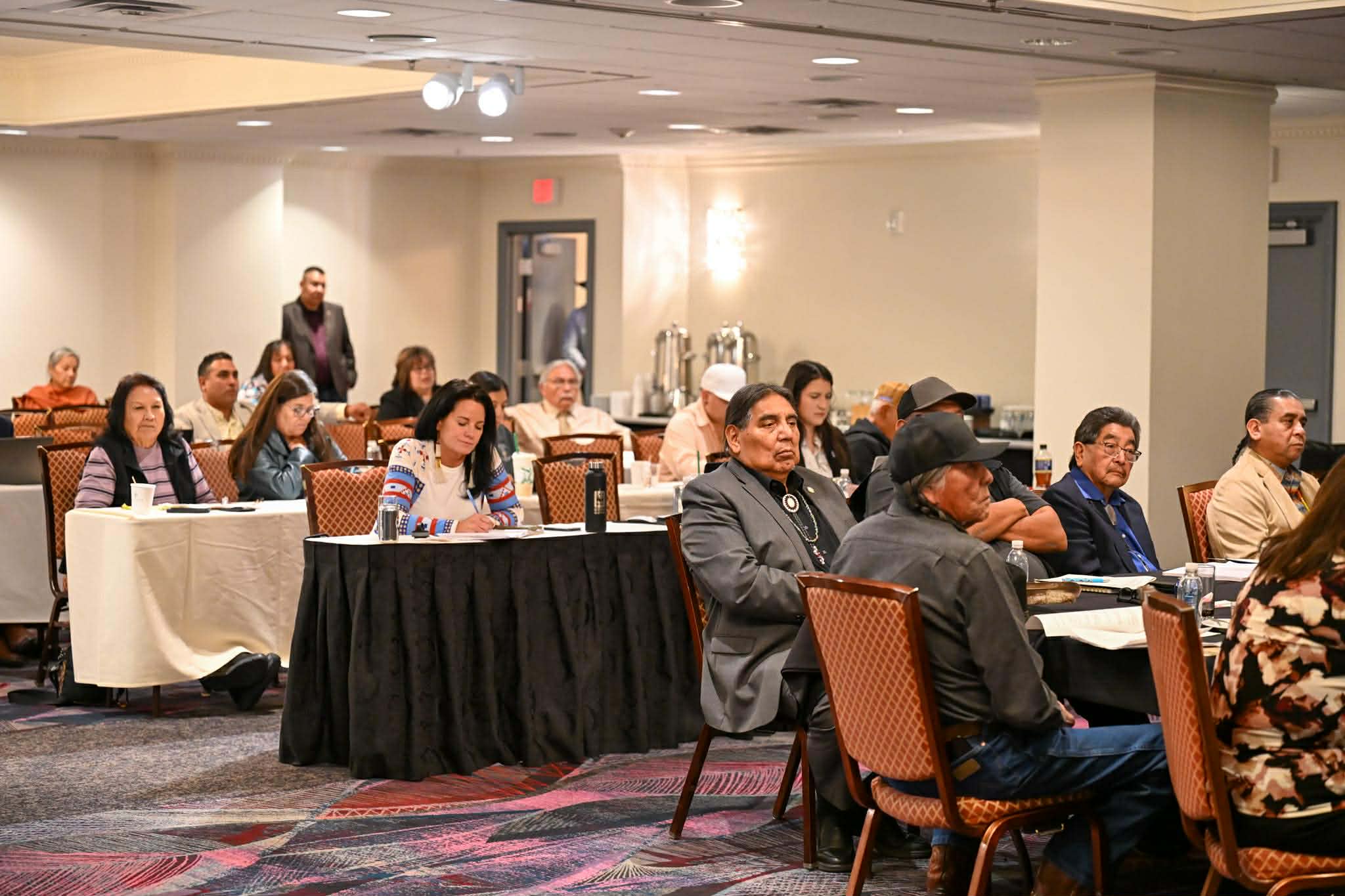
Additional discussions focused on barriers to voting access in Indian country and the importance of participating in the census. Voting challenges included limited polling locations, mail service challenges, and felony disenfranchisement. Presenters emphasized that undercounting Native populations in the census results in underfunding and underrepresentation, directly affecting Tribal sovereignty and economic opportunity.
Looking ahead, COLT leaders discussed forming committees focused on youth, land conservation, energy transmission, and Indigenous species management. These committees will meet monthly via Zoom to help guide federal engagement and policy priorities.
During these discussions, Councilman Small emphasized COLT’s role as a vital platform for leaders of large land-based tribes to collaborate, share best practices, and collectively advance the sovereignty and interests of their communities.
The next COLT meeting is scheduled for April 20–21, 2026, and will be hosted by the Mescalero Apache Tribe.