
By ROSELYNN YAZZIE
Office of Public Affairs
BOISE — The Shoshone-Bannock Tribes hosted their annual Legislative Reception in Boise, continuing their commitment to strong government-to-government relations with the State of Idaho.
The event took place on February 10, with more than 40 Idaho legislators and state agency partners attending, along with Fort Hall Business Council Chairwoman Donna Thompson, Secretary Devon Boyer, Treasurer Ladd Edmo, and Sergeant at Arms Ronald Todd Appenay, and representatives from 15 Tribal departments. The annual event provides a direct opportunity for tribal leaders and state officials to discuss issues that affect tribal lands, citizens, and communities across Idaho.
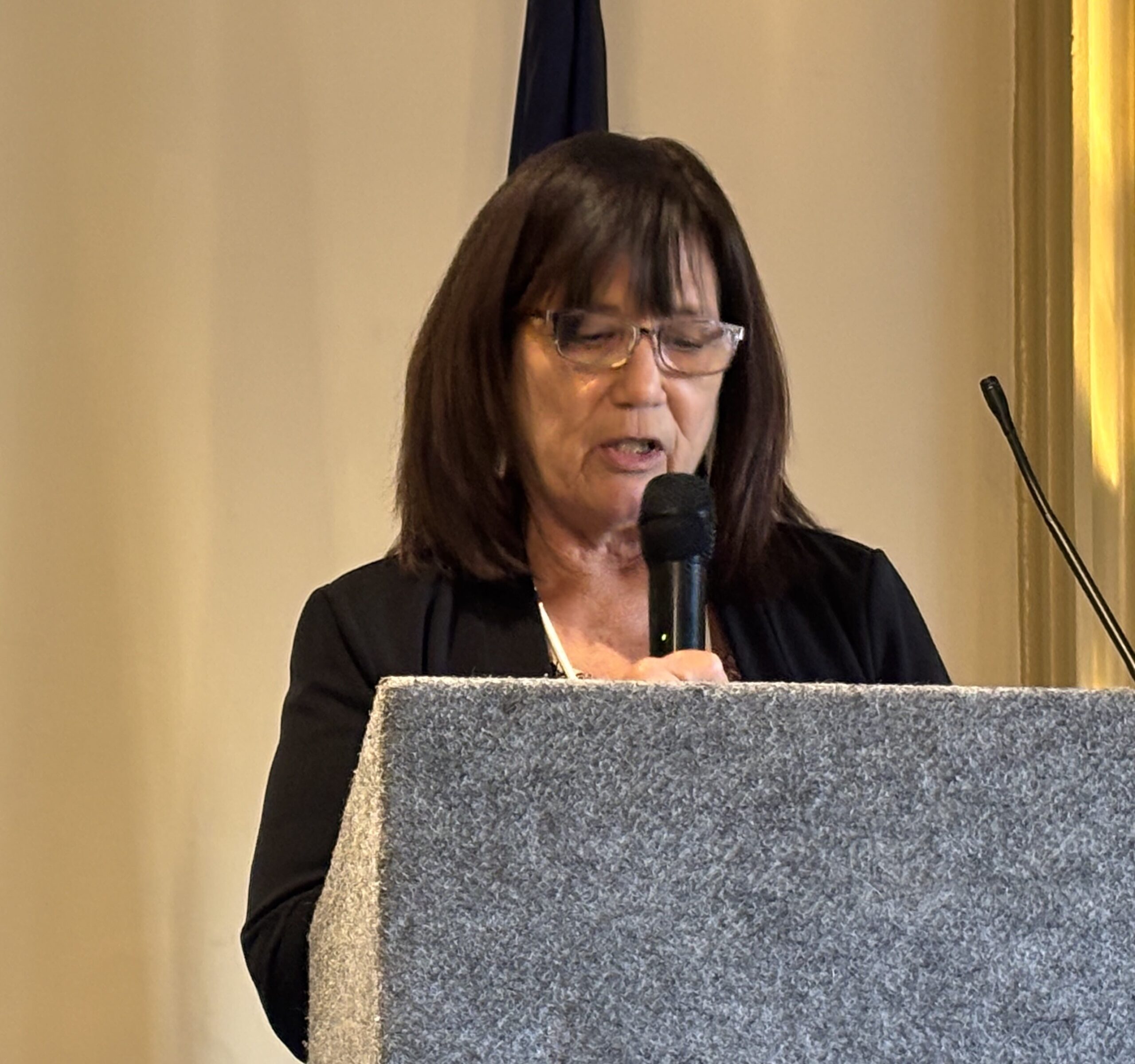
In welcoming guests, tribal leadership emphasized the importance of collaboration and mutual respect.
“The relationships we build in spaces like this matter. They shape policy, inform decisions, and ultimately affect the lives of our people and communities across Idaho,” said Fort Hall Business Council Chairwoman Donna Thompson. “While we may come from different backgrounds and perspectives, we share a responsibility to ensure strong families, healthy communities, and a future that reflects fairness, opportunity, and mutual respect.”
Thompson affirmed that the region remains part of the Tribes’ original homelands, reflecting their enduring presence and inherent rights to the land. The Legislative Reception reflects the Tribes’ responsibility to protect their sovereignty and ensure their voice is heard in state-level discussions.
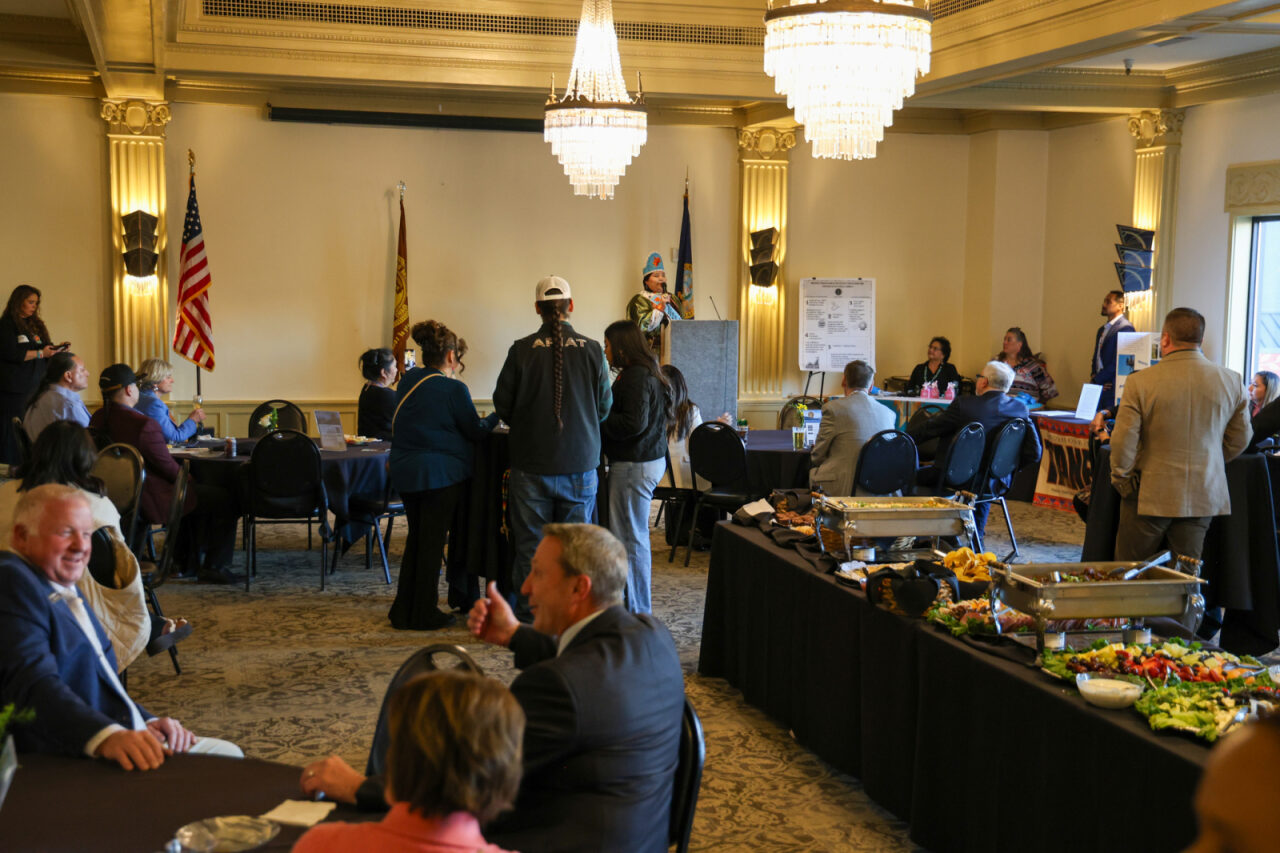
Miss Shoshone-Bannock Myke Moore was also present to greet attendees and extend a welcome to the annual Shoshone-Bannock Festival.
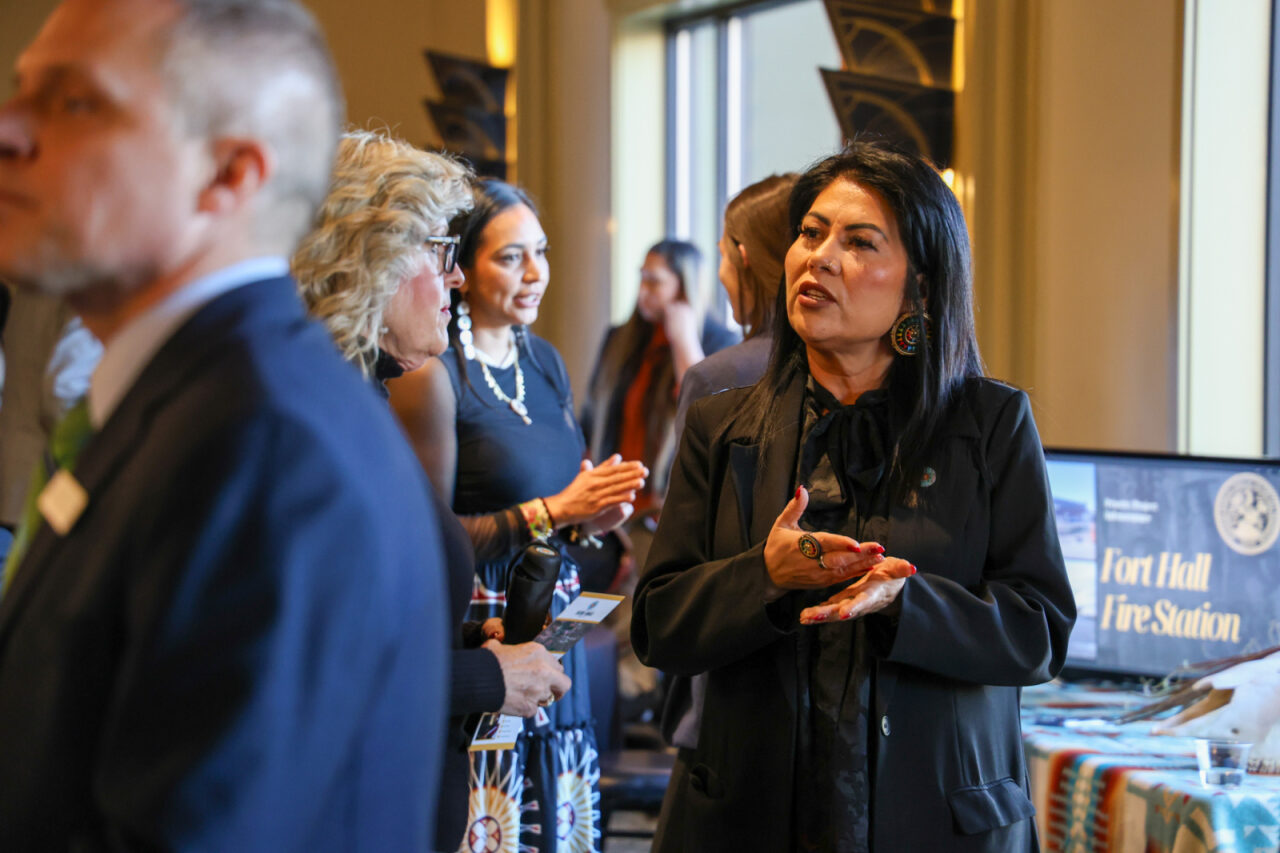
Throughout the evening, tribal departments shared information about key priorities, including Council identified key focus areas that were highlighted through a short presentation on the advantages of state–Tribal agreements in child protection cases, preserving Medicaid benefits, and an update on the Mountain Home Project. Additional discussions throughout the reception focused on Tribal sovereignty and government-to-government relations, natural resource management and wildlife collaboration, education and workforce development, and infrastructure and economic development priorities.
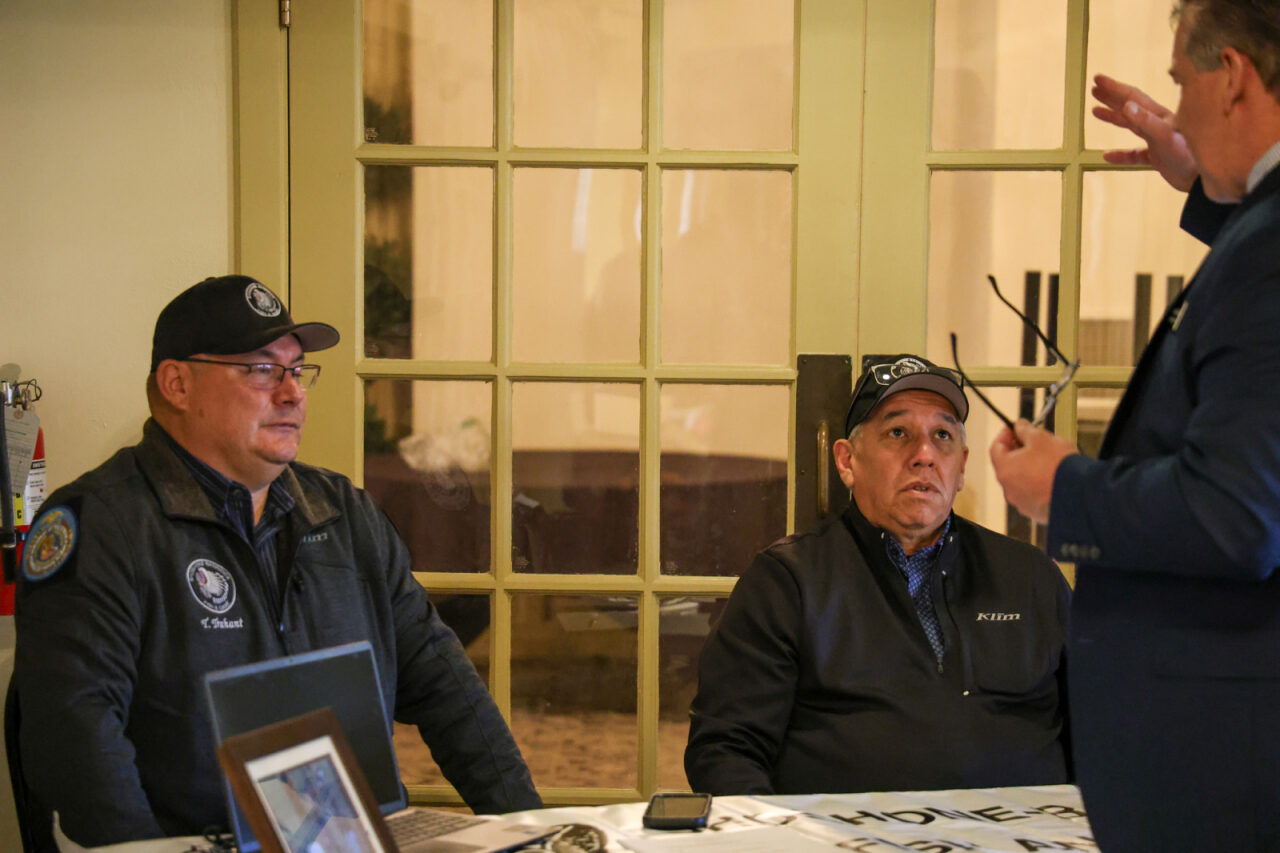
Departments were able to effectively communicate program updates, legislative needs, and the direct community impact of Tribal initiatives. Legislators received firsthand insight into Tribal governance and programs serving both tribal members and the broader community.
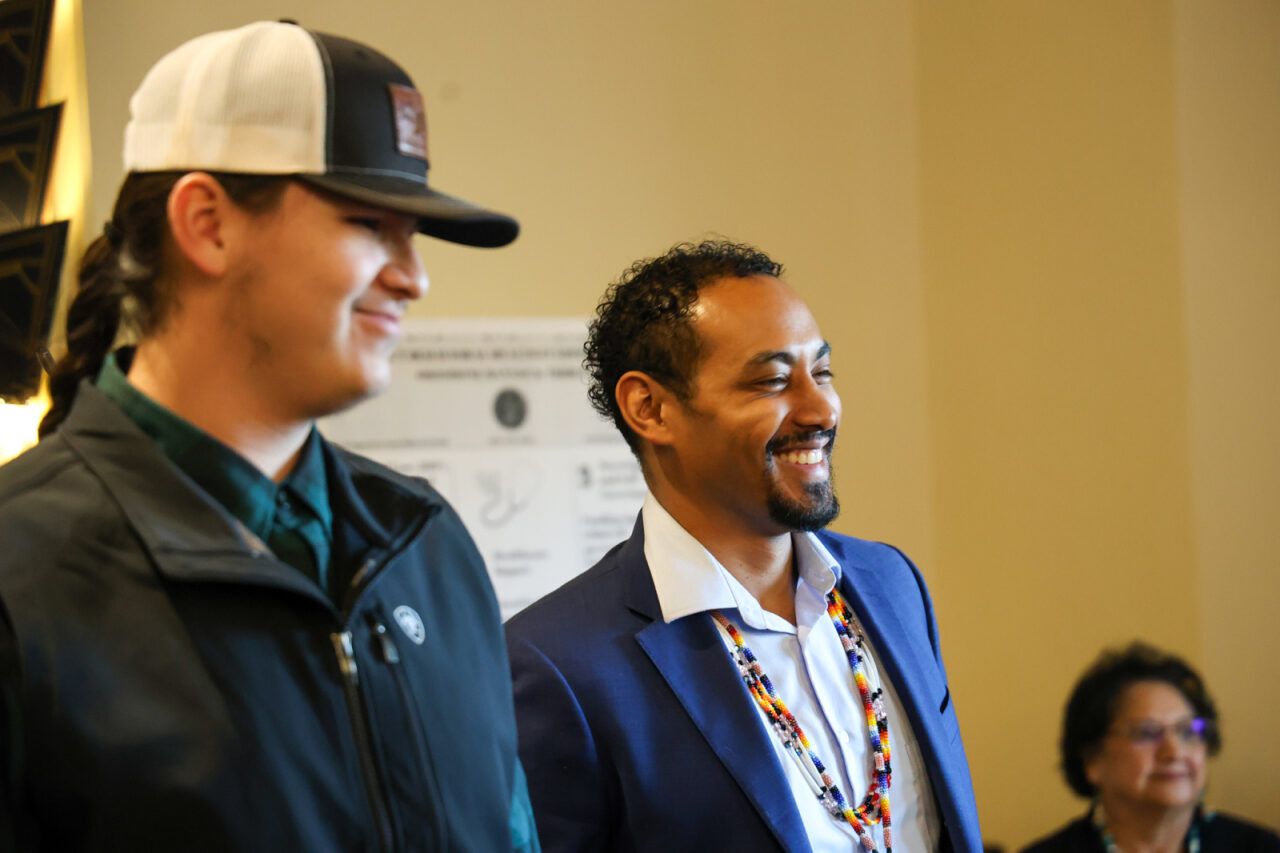
To support continued communication beyond the event, participants were given a tribally branded bag that included Fort Hall Business Council biographies, a legislative priority sheet, a Social Services information sheet, a Mountain Home Development Project brochure, an ARM coloring book, a sticker, and a pen set.
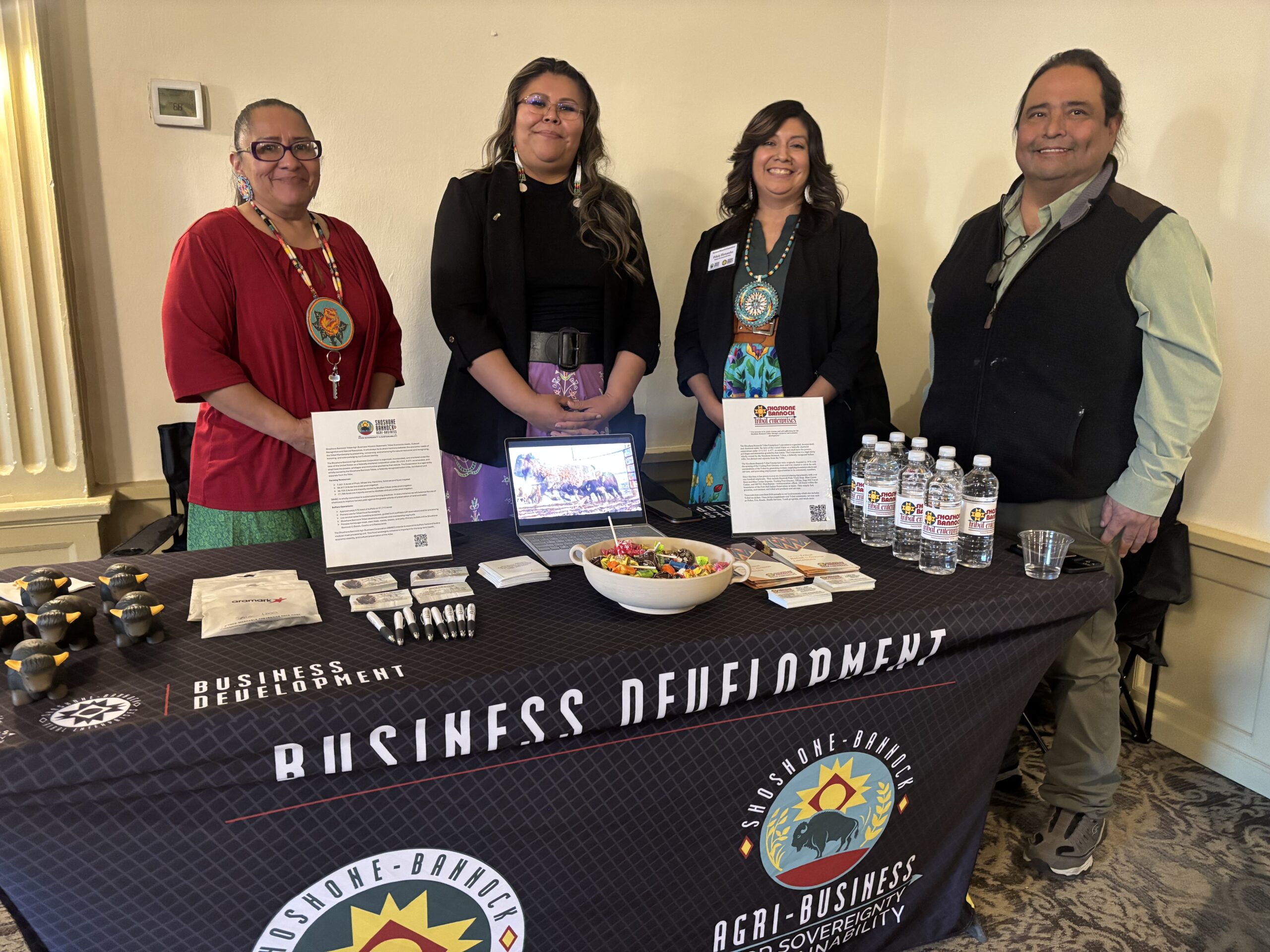
Following the program, departments reported productive conversations and meaningful engagement with policymakers.
The annual reception remains an important part of the Tribes’ ongoing commitment to protecting sovereignty, advancing community priorities, and strengthening government-to-government relationships.