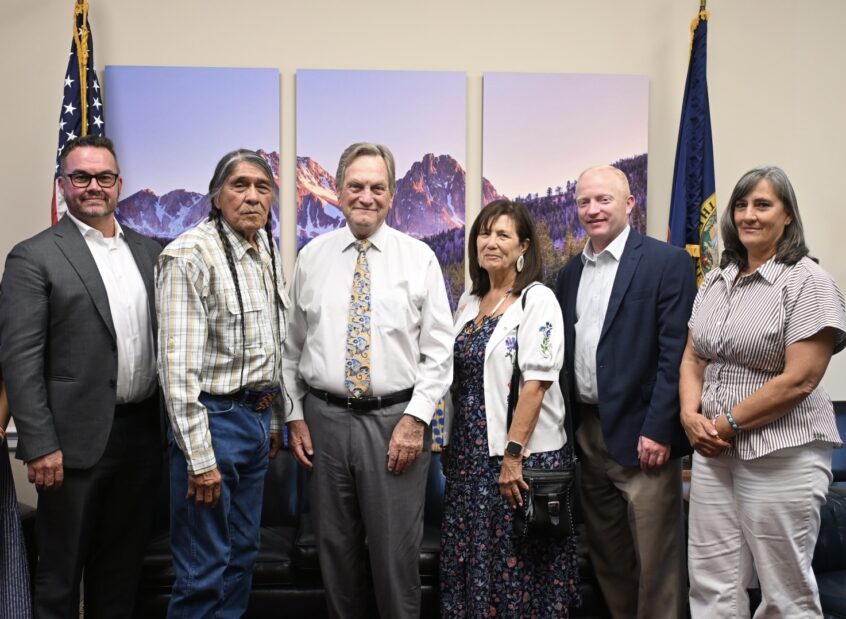
The Shoshone-Bannock delegation visit with Rep. Mike Simpson
By ROSELYNN YAZZIE
Office of Public Affairs
WASHINGTON, D.C. — A delegation from the Shoshone-Bannock Tribes traveled to Washington, D.C., July 14–16 to advocate against a provision inserted in the Senate version of the Fiscal Year 2027 National Defense Authorization Act (NDAA) through a backroom deal by Senate allies of J.R. Simplot Company (Simplot).
Tribal leaders are concerned that the measure could ratify a decision of the Department of the Interior to give the Tribes’ ceded lands to Simplot so it can expand its Superfund site and continue dumping radioactive and hazardous waste that contaminates the Fort Hall Reservation and harms the Shoshone-Bannock people. Simplot’s provision is an attempt to bypass the Tribes’ successful litigation to protect the Tribes’ ceded lands and tribal members from Simplot. The Tribes urged lawmakers to remove the provision from the bill.
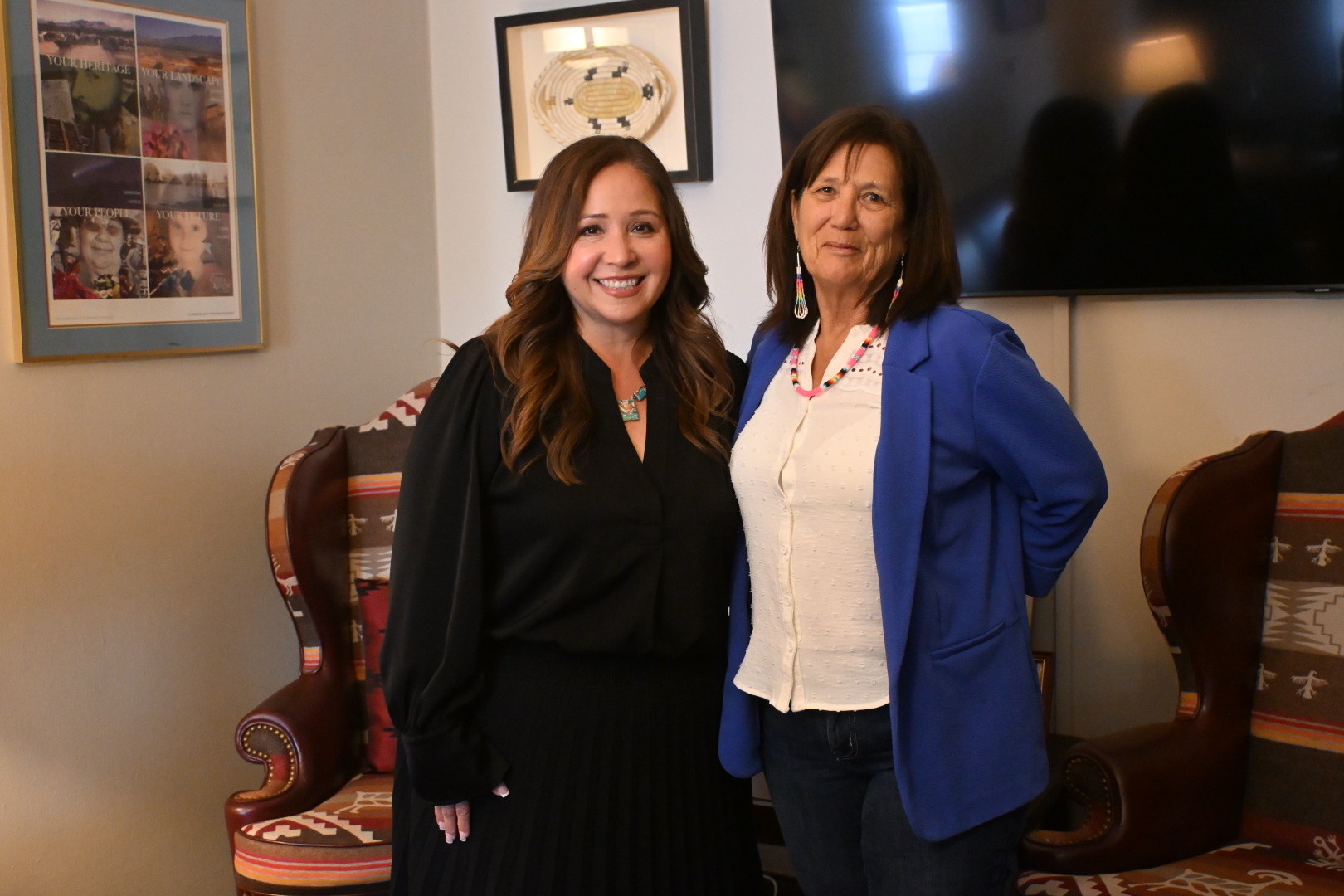
Led by Fort Hall Business Council Chairwoman Donna Thompson and Vice Chairman Nathan Small, the delegation met with members of Congress, congressional staff, and committee staff. They were supported by the Tribes’ general counsel, Monte Grey; environmental attorney, Jill Grant; environmental scientist, Susan Hanson; and policy analyst, Michael Steele. The Tribes’ federal lobbying firm, Mapetsi Policy Group, coordinated the three‑day effort, during which the delegation participated in 22 meetings to educate policymakers about the issue.
At the center of the Tribes’ concern is Section 1091(b) of the Senate bill. Leaders said the provision is an effort of Simplot to abrogate the Tribes’ vested property rights under the Fort Bridger Treaty of 1868 and nullify the 1900 Act, which ratified the Tribes’ treaty rights on lands surrendered to the United States under the 1898 cession agreement.
They also raised concerns about the lack of government-to-government consultation and the way the provision was introduced. The language does not identify Simplot, Idaho, the Tribes, or the affected lands. No bill was introduced on this matter in Congress, and the provision did not go through any process in the committee of jurisdiction, the Senate Energy and Natural Resources Committee. The Tribes would have been unaware of the proposal if partners monitoring federal legislation hadn’t alerted them shortly before Congress recessed for the Fourth of July holiday.
The delegation emphasized the cultural, historical, and environmental importance of the lands. They noted that tribal members continue to exercise treaty-reserved rights in the area, including cultural practices and gathering traditions passed down through generations.
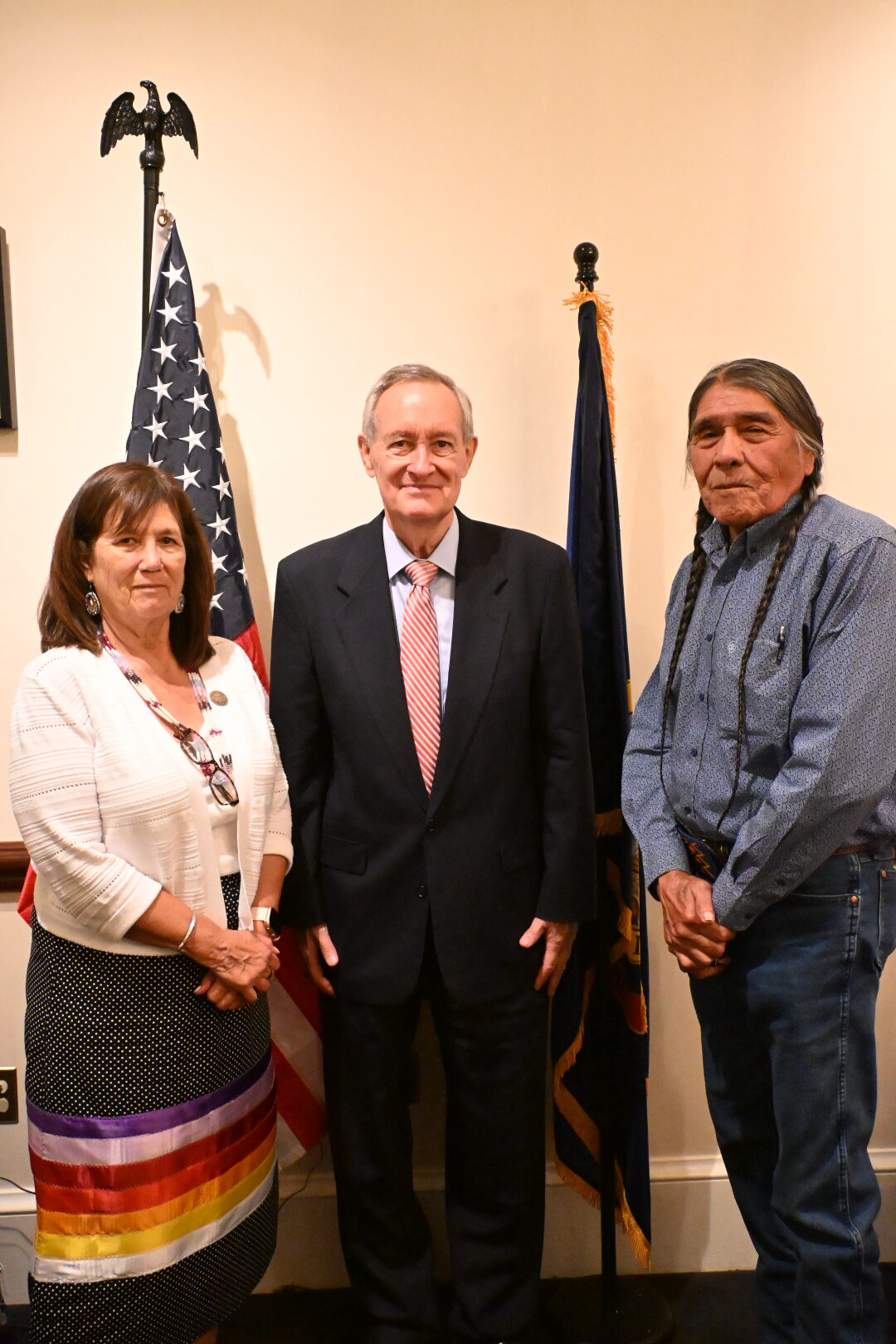
Vice Chairman Small said, “The Shoshone-Bannock people have honored their commitments made through the Treaty and continue to carry the responsibility of protecting their homelands and natural resources for the future.”
Health and safety concerns remain central to the Tribes’ position. The delegation highlighted longstanding issues of groundwater contamination, airborne dust, and other pollutants linked to the nearby phosphogypsum stacks and the Eastern Michaud Flats Superfund Site.
“Our people entered into a peace treaty with the reservation being set aside as our permanent home,” Vice Chairman Small said. “It is only one-third of what it used to be, and if this goes through, this will be a violation of our treaty rights. Already what we have left is being contaminated. We have to protect what we have.”
Tribal leaders stressed that congressional passage of Section 1091(b) would impact tribes across the country. This provision sets a dangerous precedent for other tribal nations with treaty rights on land given to the United States under cession agreements, as well as tribal nations working to protect ancestral lands that are now administered by the U.S. Bureau of Land Management and other federal land management agencies.
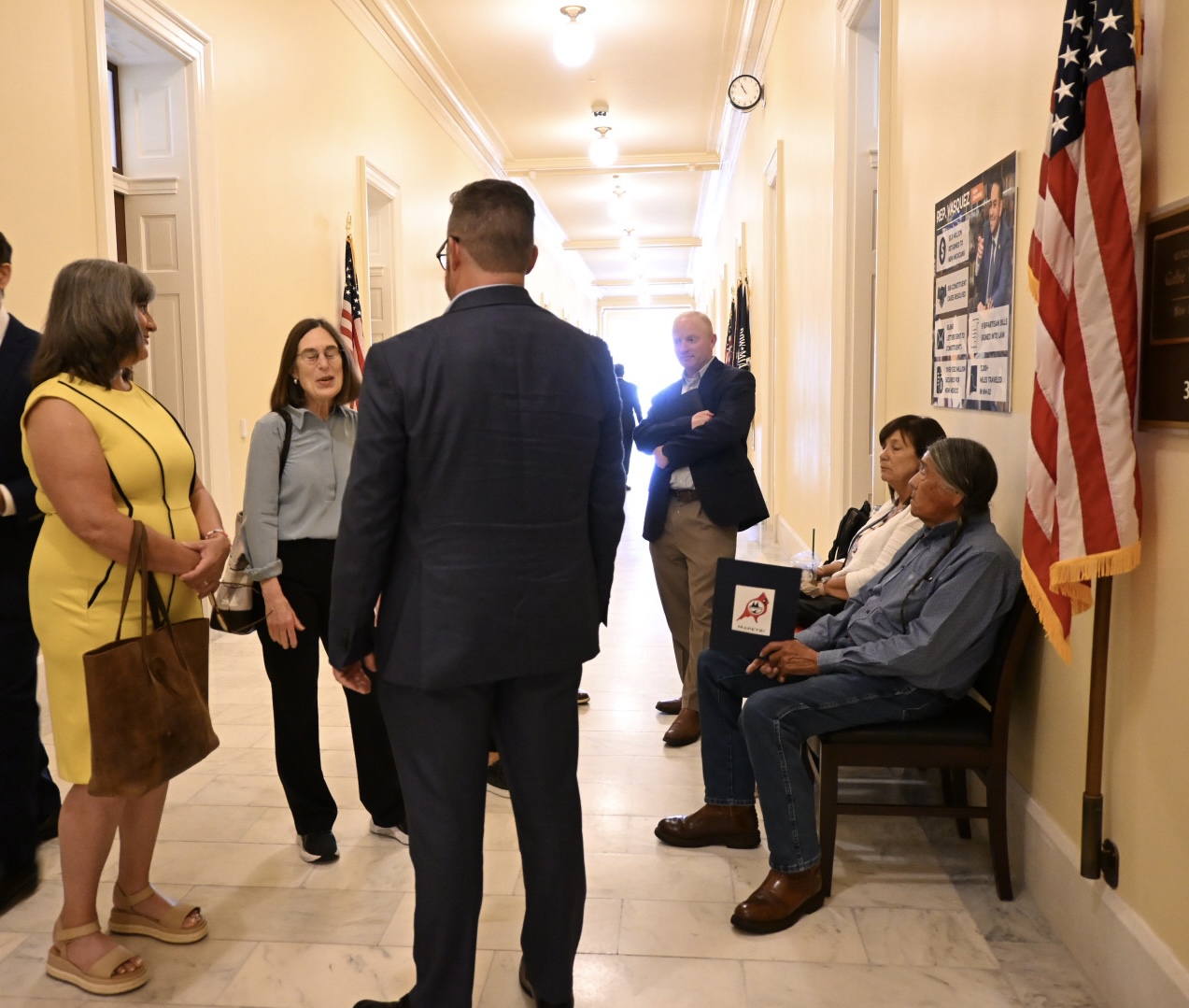
Throughout the meetings, the delegation urged lawmakers to remove the provision from the final NDAA and to uphold the federal government’s trust and treaty responsibilities to the Shoshone-Bannock Tribes.
Although the Senate did not advance its version of NDAA before Congress recessed for the week, tribal leaders said they will continue working with members of Congress and federal officials as the legislative process moves forward. The Tribes remain committed to advocating for removal of the provision and protection of Shoshone-Bannock treaty rights and ancestral homelands.
“The work is not finished,” Chairwoman Thompson said. “We will continue educating policymakers, building partnerships and advocating for the protection of our treaty rights and our homeland. These are responsibilities we carry not only for ourselves, but for all future generations.”