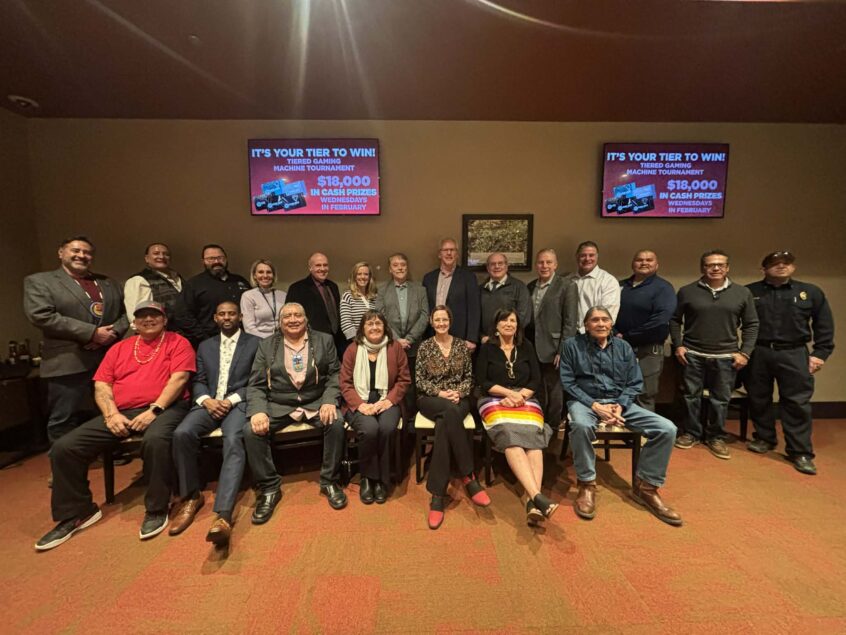
Group photo of Fort Hall Business Council, Shoshone-Bannock Tribes staff, city mayors and councilmembers after their government to government meeting on February 26.
By ROSELYNN YAZZIE
Office of Public Affairs
FORT HALL — The Fort Hall Business Council (FHBC) hosted a Mayoral Luncheon on February 26 at the Shoshone-Bannock Hotel and Events Center with the objective to launch a series of group and individual engagements geared towards improving coordination and communication.
Joining the FHBC, attendance included Mayors Scott Stufflebeam of Blackfoot, Rodney Burch of Chubbuck, Lisa Burtenshaw of Idaho Falls, and Mark Dahlquist of Pocatello. Several of the cities’ staff and city council members along with representatives from the Fort Hall Police Department, Fort Hall Fire Department, Executive Office, and Planning Department were also in attendance. As each mayor recently entered office, the theme of the meeting focused on building relationships as leaders stressed the need to work together on public safety, infrastructure, and economic development opportunities.
FHBC Chairwoman Donna Thompson welcomed the mayors by acknowledging both the authority of each government and the shared responsibilities that connect them.
“As leaders, we each have our own authorities, histories, and responsibilities to our citizens,” Chairwoman Thompson said. “At the same time, our communities are closely connected.” She stressed that coordination in public safety, emergency response, jurisdiction, infrastructure, and long-term planning requires communication before challenges arise.
“Ultimately, our shared goal is simple: safer communities, stronger working relationships, and a future where our governments can stand side by side to serve our people with integrity and respect,” she added.
Planning Director Alonzo Coby provided an update on development projects across Fort Hall. He also emphasized the Tribes’ role in the regional economy, which contributes over $400+ million annually to the State through agriculture, enterprises, employment, and off-reservation spending.

Additionally, Coby highlighted projects made possible through the efforts of Representative Mike Simpson to secure congressional appropriations for the new Fort Hall Fire Station, set to open in June, road improvements, and a new water tank. He also emphasized coordination between the Tribes and the Idaho Department of Transportation for Interstate 15 improvements and the construction of new district lodges, a new Fish and Wildlife Building, and plans for a future Recreation Center focused on wellness, arts, and community engagement. Broadband expansion emerged as a regional priority, with leaders agreeing that full connectivity strengthens economic competitiveness.
Tourism also emerged as an area for collaboration. FHBC Sergeant at Arms Todd Appenay highlighted Southeast Idaho as a gateway to Yellowstone National Park and discussed opportunities to capture visitor traffic and promote outdoor recreation and cultural tourism. The Tribes are working with the American Indigenous Tourism Association to expand Native tourism initiatives. When asked about future economic development, Tribal leaders emphasized that regional collaboration must reflect fairness and mutual respect while recognizing the Tribes’ economic contributions.
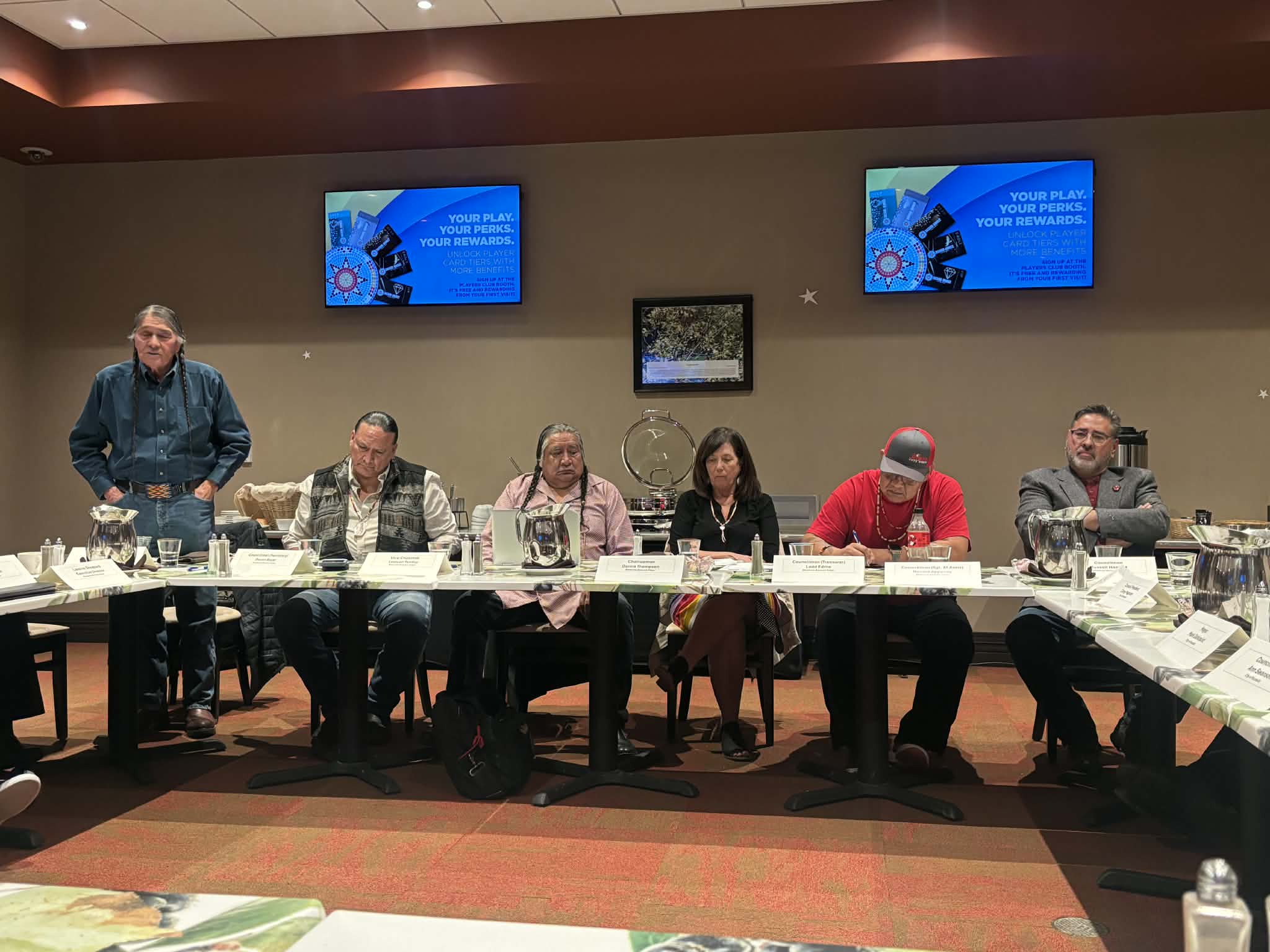
Fort Hall Business Council member Nathan Small stands up to speak and shares past concerns between the Tribes and the cities.
FHBC member Nathan Small raised longstanding concerns, including the Pocatello Regional Airport, Public Law 280, gaming matters, and historical issues involving FMC and Simplot. “The past is the past, but the past is still present,” he said, prompting additional discussion about moving forward together.
Tribal officials spoke candidly about previous challenges, including experiences of limited cooperation and discrimination, while affirming a willingness to work collectively for the benefit of all communities. Mayors echoed the importance of consistent communication, with Mayor Stufflebeam highlighting open dialogue despite jurisdictional differences, Mayor Burch noting a “new day” through collaboration, Mayor Burtenshaw emphasizing that building relationships early is more effective than repairing them later, and Mayor Dahlquist acknowledging Tribal members’ housing needs while expressing willingness to look into matters that have historically caused friction between the Tribes and Pocatello.
Later in the meeting, Fort Hall Police Department Chief Patrick Teton discussed recruitment and the department’s focus on community engagement. He also recommended that the new Mayors look at both sides of a story as they will spend a large portion of their time and budgets addressing police matters.
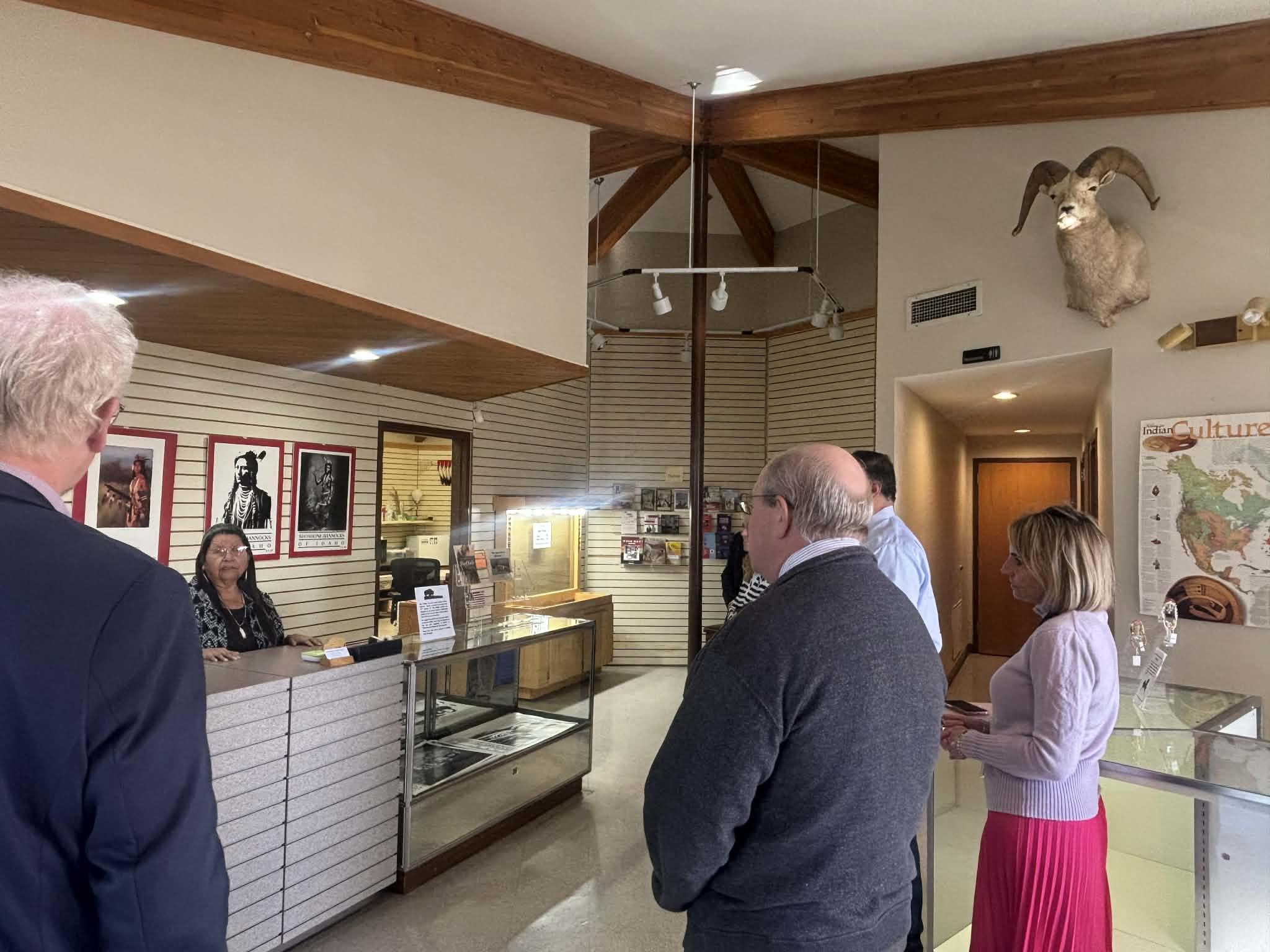
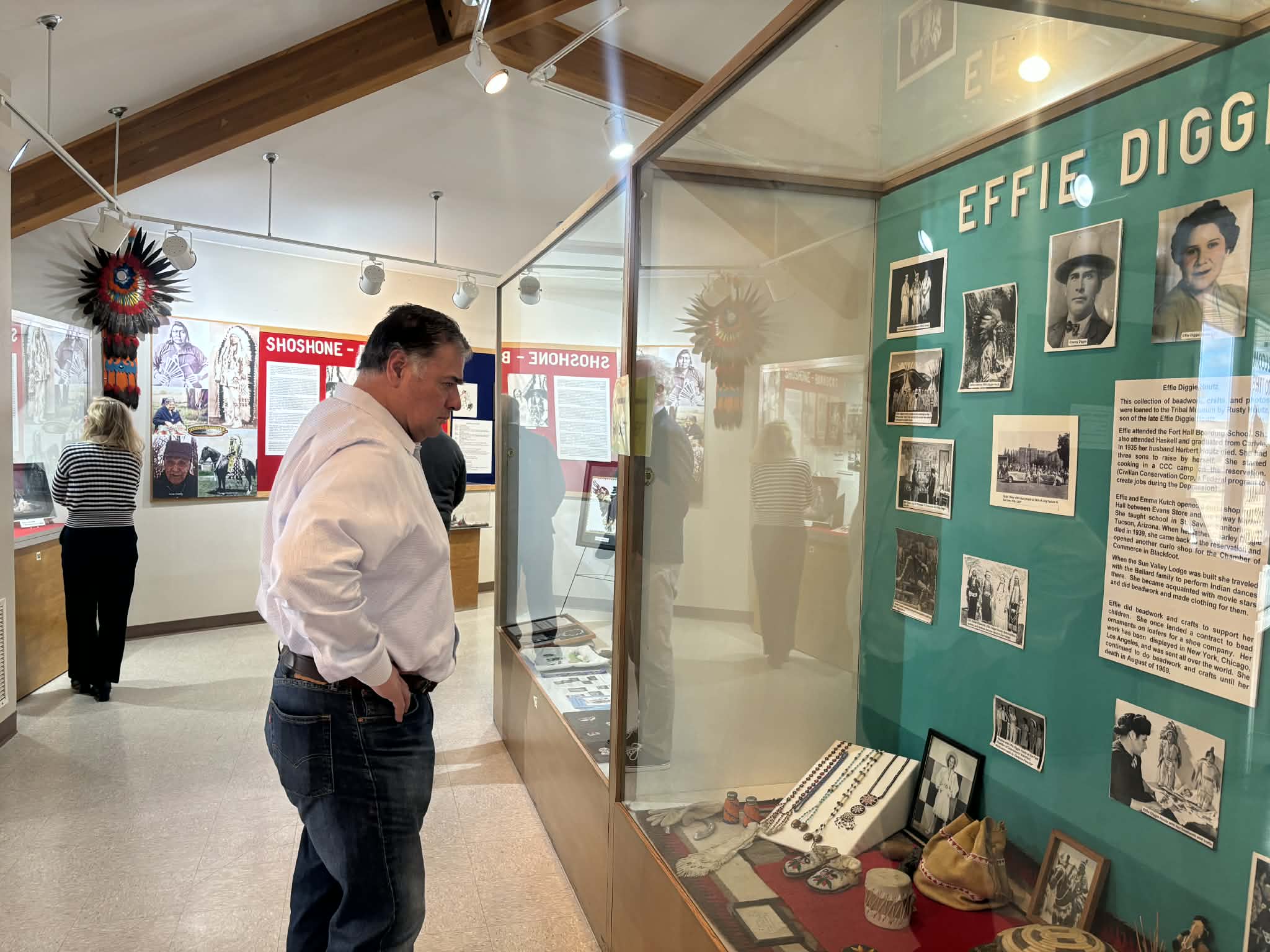
FHBC member Haskett highlighted the potential value of a regional forensic lab to support law enforcement across Southeast Idaho. FHBC Vice Chairman Lee Juan Tendoy addressed the importance of protecting water and environmental resources for future generations, and education emerged as a priority, with local officials expressing the need to learn more about Tribal history, governance, and contributions as prior to the luncheon, several of them visited the Tribal Museum. The meeting concluded with FHBC Secretary Devon Boyer noting that leaders can choose to work together now or be forced to work together later, encouraging action while the opportunity exists.
“There is so much that we can do, learn, and accomplish together,” Thompson added, “…it is never too late to start.”
The engagement reflects steady leadership and a clear expectation for ongoing local government-to-government communication. The FHBC plans to continue these discussions, address issues directly, and ensure that future regional planning includes Tribal perspectives at every stage. They emphasized that consistent dialogue, respect for sovereignty, and practical collaboration are essential to public safety, infrastructure planning, economic opportunity, and the overall well-being of communities across Southeast Idaho.