By ROSELYNN YAZZIE
Office of Public Affairs
FORT HALL, Idaho — The Shoshone-Bannock Tribes are taking action to address illegal dumping on the Fort Hall Reservation, beginning with a pilot cleanup effort that removed approximately 13 tons of waste from the West Elevator Loop area.
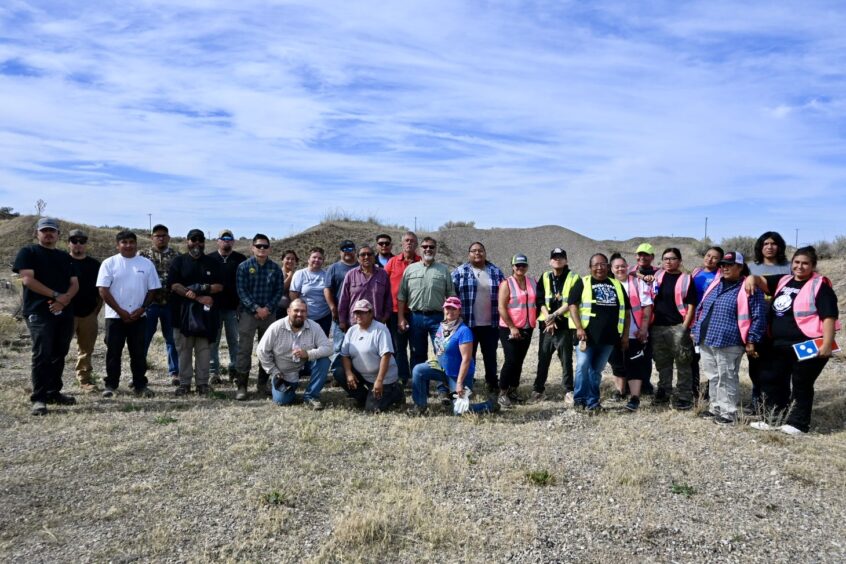
The seven-hour cleanup took place on October 2, bringing 40 people together from tribal departments and programs to remove household waste, furniture, appliances, tires and other materials that had been illegally dumped on tribal lands.
The effort was initiated by the Fort Hall Business Council (FHBC) after tribal members and departments raised concerns about illegal dumping at several locations across the reservation. The Land Use Department organized the West Elevator Loop cleanup as a pilot project and coordinated tribal resources and personnel to address the site.
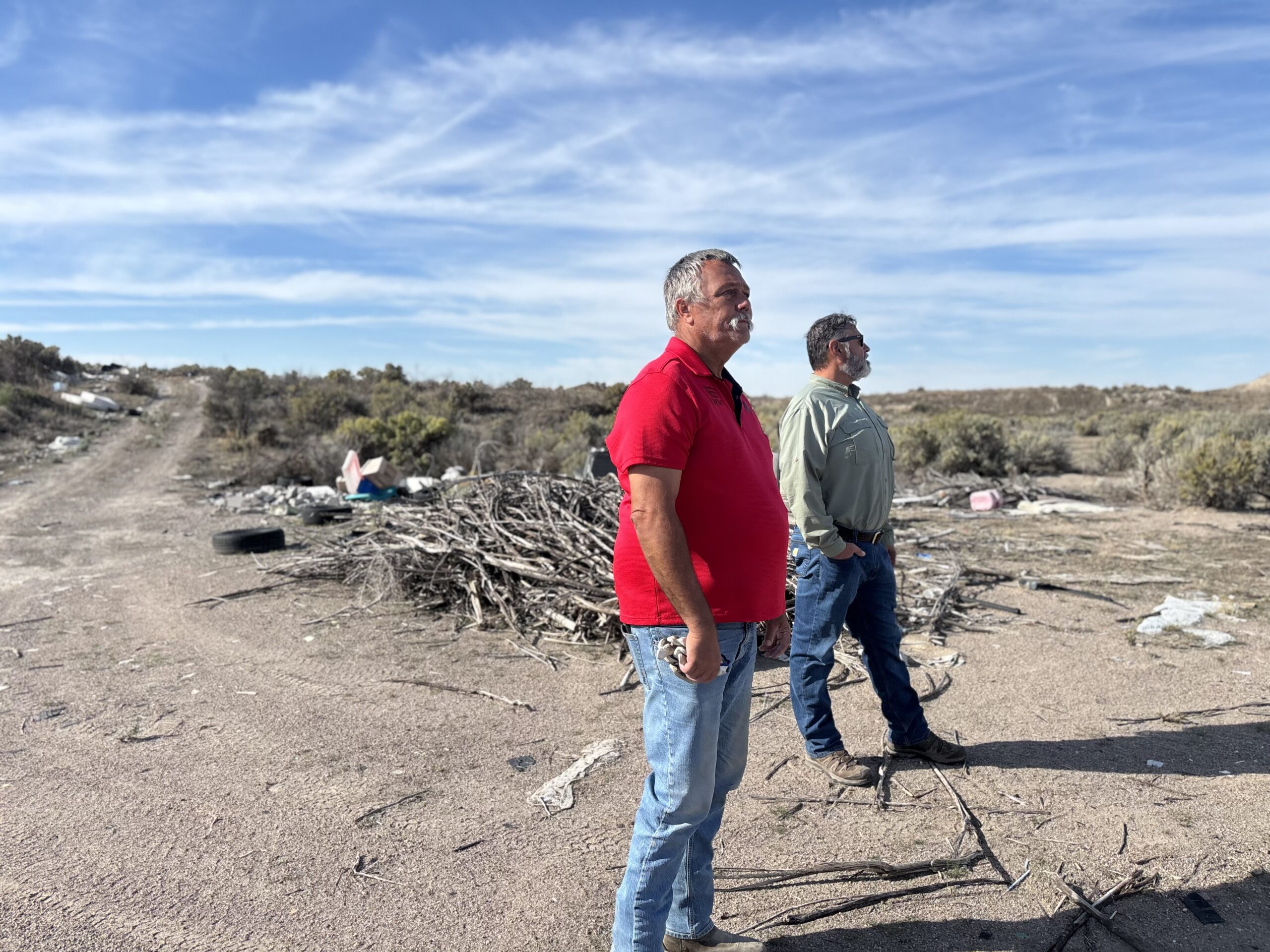
“Our lands are not an illegal dumping ground, and we will not tolerate anyone treating them that way,” said FHBC member Russell Haskett, who joined the cleanup. “Illegal dumping harms our community and our environment. Those found dumping on the reservation will be prosecuted and may be held responsible for cleanup costs. Protecting this land is protecting our future.”
While current illegal dumping penalties include a $50 fee, proposed changes will strengthen the Tribes’ regulations and could increase the fee and add community service requirements. Individuals who continue to illegally dump could also face possible jail time under applicable tribal law.
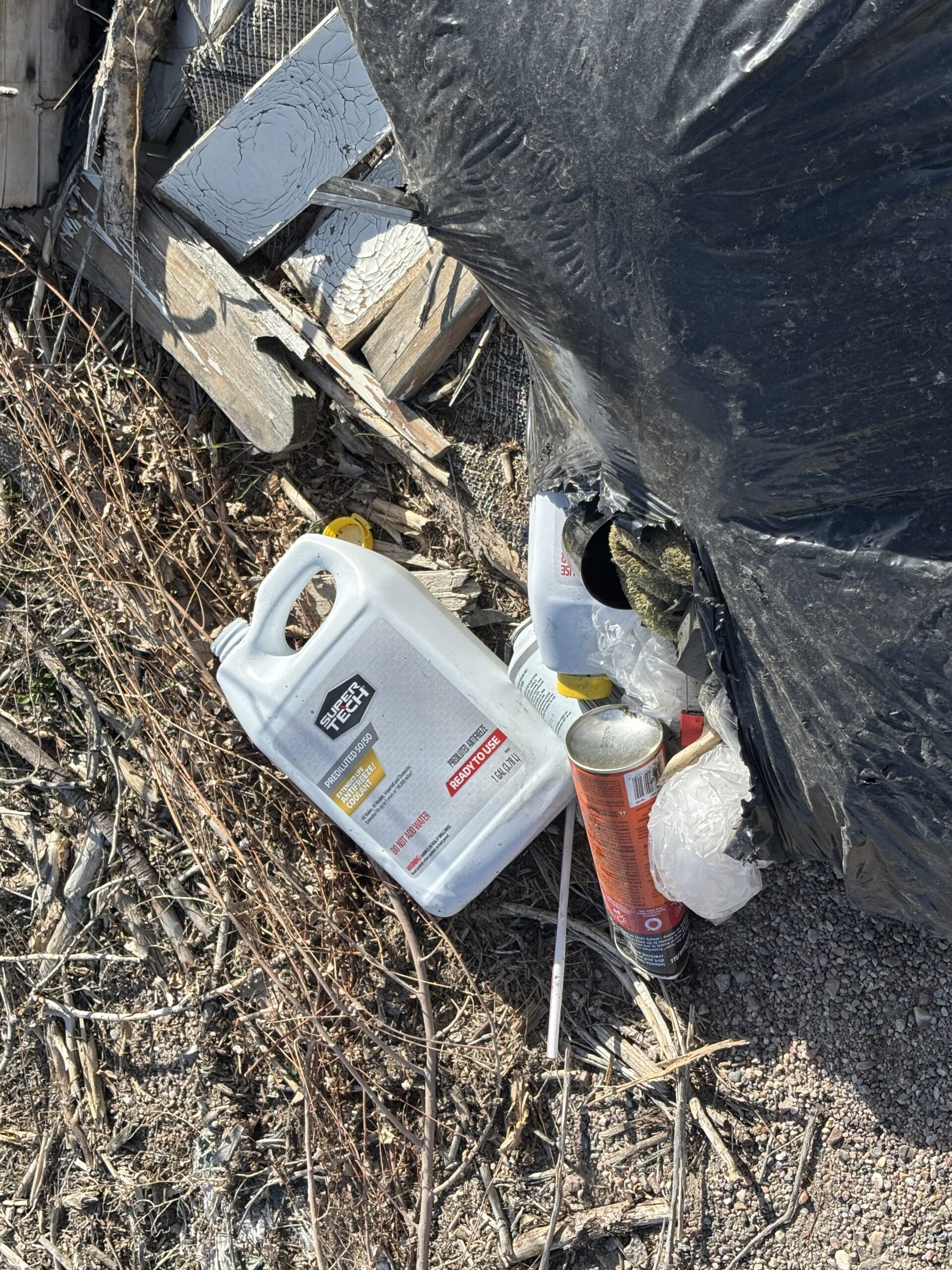
Crews disposed of 3.18 tons of household waste at the Bannock County Landfill and transported approximately 7,900 pounds of passenger tires to Tire Reclaim in Pocatello. A 40-yard solid waste bin was filled with an estimated five to six tons of additional material. In addition to solid waste, crews encountered several hazardous substances requiring specialized disposal.
“During the cleanup we found used oil, antifreeze, and other hazardous materials that can contaminate groundwater, damage vegetation, and degrade our soils,” said Environmental Waste Management Manager Kelly Wright. “We also discovered chicken carcasses and meth-related waste, which pose serious human health risks. When these kinds of hazards appear, our department has to respond immediately to protect tribal members and the environment. That’s why the Council made this cleanup a high priority.”
The cleanup involved the FHBC, Land Use Department, Land Use Policy Commission, Natural Resources Division, Fisheries, Air Quality, Agricultural Resource Management, Broadband, Environmental Waste Management, Range, Fort Hall Justice Center Re-entry Program, Corrections, TERO and Transportation.
The Transportation Department provided a backhoe, trailer and dump truck, along with staff to operate the equipment. The department also closed the entrance to the site following the cleanup. Fisheries provided a dump trailer for household furniture and appliances. The Land Use Department provided trailers, a front-end loader, vehicles, personal protective equipment, cleanup supplies, water and lunch for the cleanup crew. Corrections provided community service participants and corrections officers.
The estimated cost of the project was approximately $20,000, including labor, disposal, personal protective equipment, cleanup tools and supplies, fuel, food, and other expenses.
Land Use Department Director Preston Buckskin explained the project demonstrated the value of bringing tribal resources together.
“As demonstrated with this last project, team effort significantly reduced the time and energy to clean up this site,” Buckskin said.
The West Elevator Loop site was the primary focus of the pilot project, but another dumping site was identified along East Elevator Loop Road. Due to the size of that site and the amount of material present, crews were able to remove only a portion of the dumped tires.
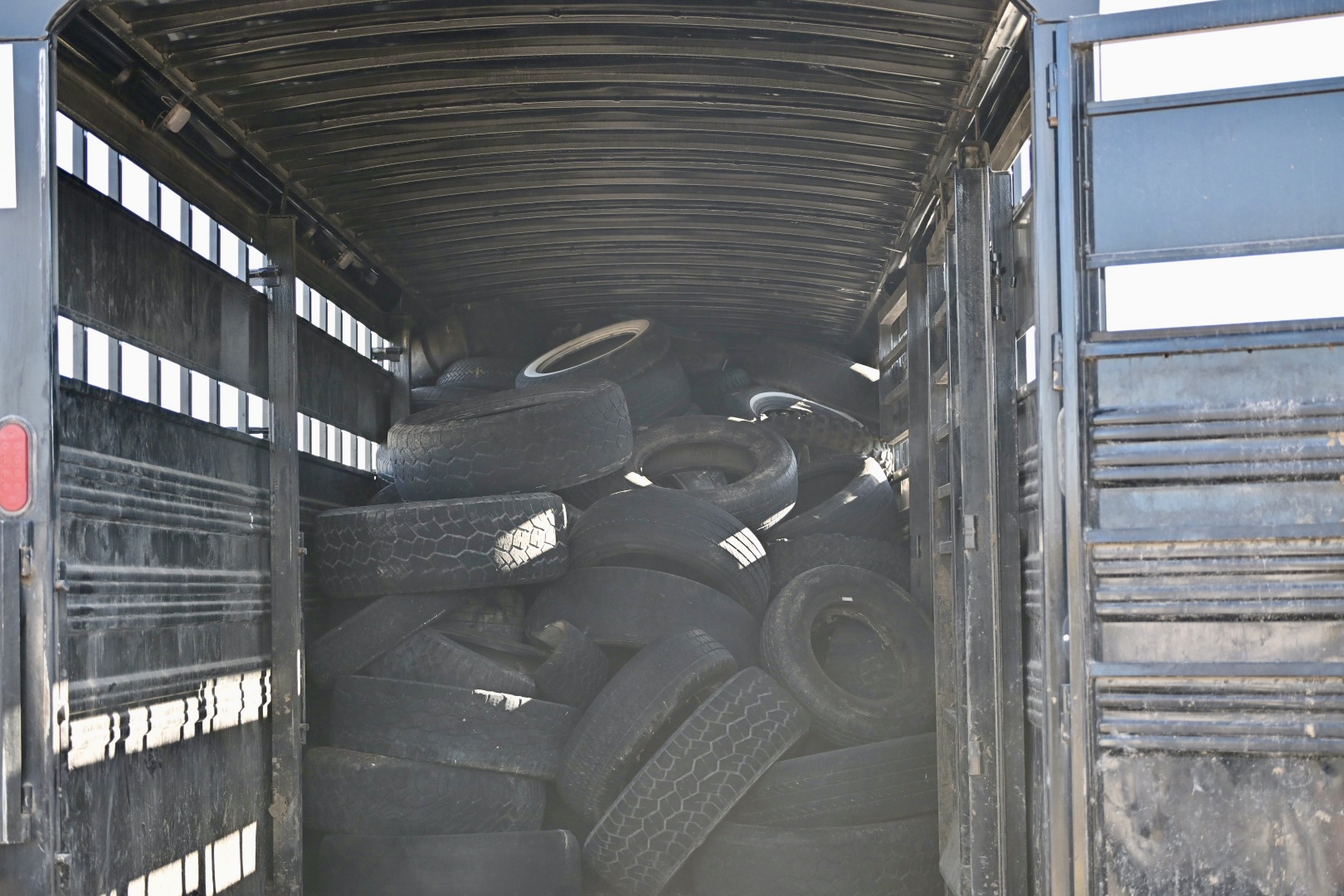
The Land Use Department and Environmental Waste Management Program will continue planning and organizing cleanup efforts at other locations. The goal is to address illegal dumping sites in all five districts before the end of 2026. The Tribes also plan to place signage at cleaned sites to discourage future dumping. Possible daily monitoring by the Fort Hall Police Department has also been suggested.
While stronger enforcement is part of the Tribes’ response, tribal leadership also emphasized the importance of stewardship and community responsibility by properly disposing of household and hazardous waste.
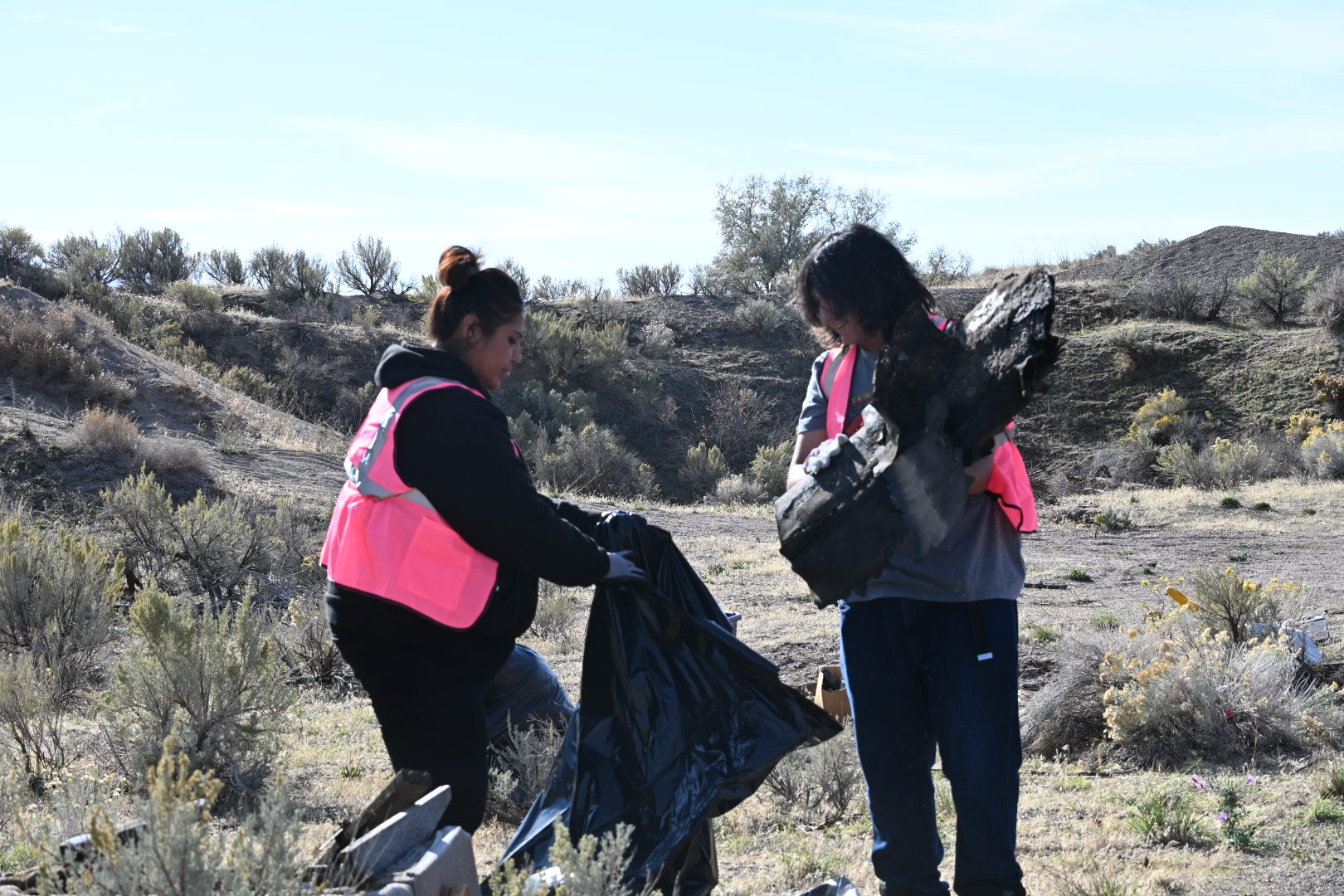
Community members who observe illegal dumping are encouraged to report it to Fort Hall Dispatch at 208-478-4000.
The West Elevator Loop cleanup is the first step in a broader effort to address illegal dumping across the reservation.